
Why AI Food Looks So Wrong — and How to Fix It
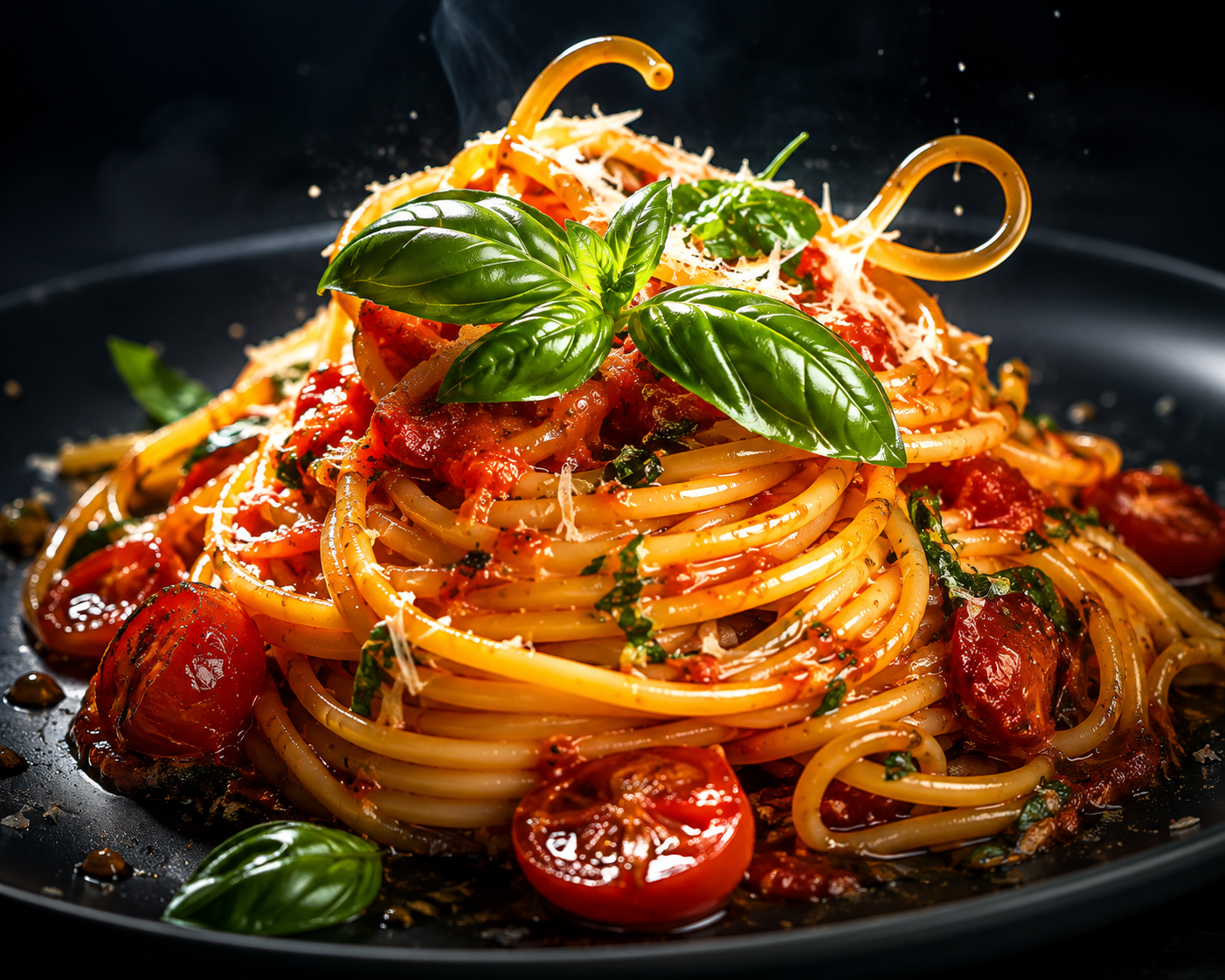
Have you noticed that AI food always looks a little off? The burger looks like it was carved from stone, the pasta looks like worms, and the ice cream has cracks like dried concrete. It's not your imagination — and it's not a fluke. According to a deep dive from The Verge, these strange AI food images reveal genuine technical weaknesses in how image generators work.
The good news: once you understand why AI food goes wrong, you can write prompts that avoid the traps entirely. Here's what's actually happening under the hood, and how to get realistic, appetizing AI food instead.
1. Why AI Food Goes Wrong at the Structure Level
Most leading image generators work by diffusion. They begin with a screen of pure noise and remove the noise step by step to build a picture. The problem is that rough structure is resolved first, and fine texture is layered on last.
If the model gets the basic shape wrong early, it then piles vivid texture on top of that wrong structure. One expert quoted by The Verge compares it to the classic "six fingers" failure — the model nails the texture but the underlying geometry is broken. That's why so much AI food looks dramatically wrong in shape, yet suspiciously perfect in surface. It's a structural AI food problem, not a style choice.
2. The Worms, Holes, and Cracks Problem
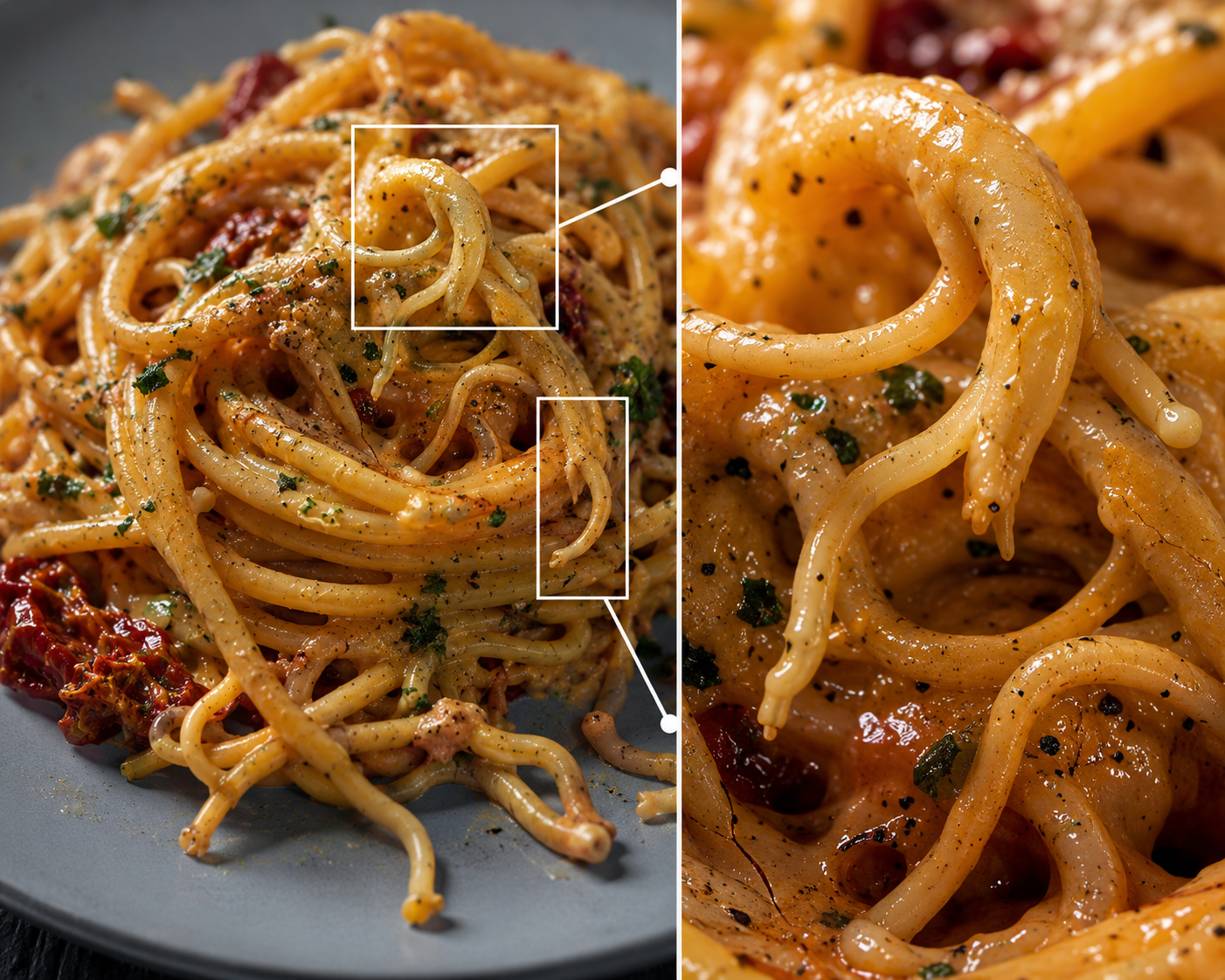
AI food is especially prone to a specific set of failures: thin, continuous shapes that don't know where to end. Diffusion models are famously weak at rendering structures that are thin, long, and supposed to terminate cleanly.
That means noodles and tendrils spill into places with no culinary logic, and repeating textures like bubbles and seeds crawl over boundaries they shouldn't cross. This is exactly why you see so many AI food images full of strange strands, unsettling holes, and cracked surfaces. It's not a styling choice — it's a known weakness of the math.
3. Imitating the Look Without Understanding the Content
Here's the unsettling part. AI food models are very good at copying the surface conventions of food photography — glossy lighting, intense color, sharp contrast, exaggerated shapes — but they don't actually understand what they're looking at.
A texture that looks perfectly normal on a building can become horrifying on a burger. As one scientist in the piece puts it, models "perfectly imitate the look of photography" without understanding the content behind it. That disconnect is the core of why AI food feels so uncanny: it looks like a photograph, but it isn't real food.
4. Training Data, Model Collapse, and Bad Prompts
Three more forces stack the deck against AI food:
- Training data — models can pick up internet lore and bizarre associations (like photos of people jumping into piles of food), which shapes how they render AI food.
- Model collapse — when models train on their own outputs, images can degenerate and start to look samey.
- Weak prompts — vague requests like "a sandwich," or instructions written for text (like "be precise") that don't translate to images, leave the model to guess. Prompt quality is a huge factor in how convincing AI food turns out.
Blowing up a small AI food image to a huge size only magnifies every imperfection that was already there.
5. Why It Feels So Wrong
The reason AI food bothers us so much is biological. Humans evolved a strong disgust response to protect against parasites, pathogens, and toxins. Noodly tendrils read as worms, clusters of holes signal infestation, and off colors suggest spoilage.
This is why the "uncanny valley" for AI food feels even more visceral than the one for not-quite-human faces. Your brain doesn't just think the AI food looks bad — it tells you it might be dangerous. That primal reaction is the reason bad AI food is so hard to ignore.
6. How to Prompt Appetizing AI Food
Understanding the failure modes points directly at the fix. To get AI food that looks genuinely edible, steer the model away from these traps. These AI food prompt rules are the difference between a menu-worthy shot and a meme:
- Avoid the texture-only trap. Name a real food and keep the prompt focused on one subject, not "perfect, glossy, high-detail" abstractions.
- Limit repeating micro-details. Don't ask for "lots of seeds" or "dense noodles" — those are exactly the shapes that go wrong.
- Describe real lighting and a real setting. "Natural window light, ceramic bowl, wooden table" grounds the image in reality.
- Say what it shouldn't be. A phrase like "no abstract or surreal elements, realistic and edible" goes a long way.
Here's a practical prompt you can use right now to get an appetizing AI food image:
Copy & Paste this into Fanch AI (Model: gpt_image_2):
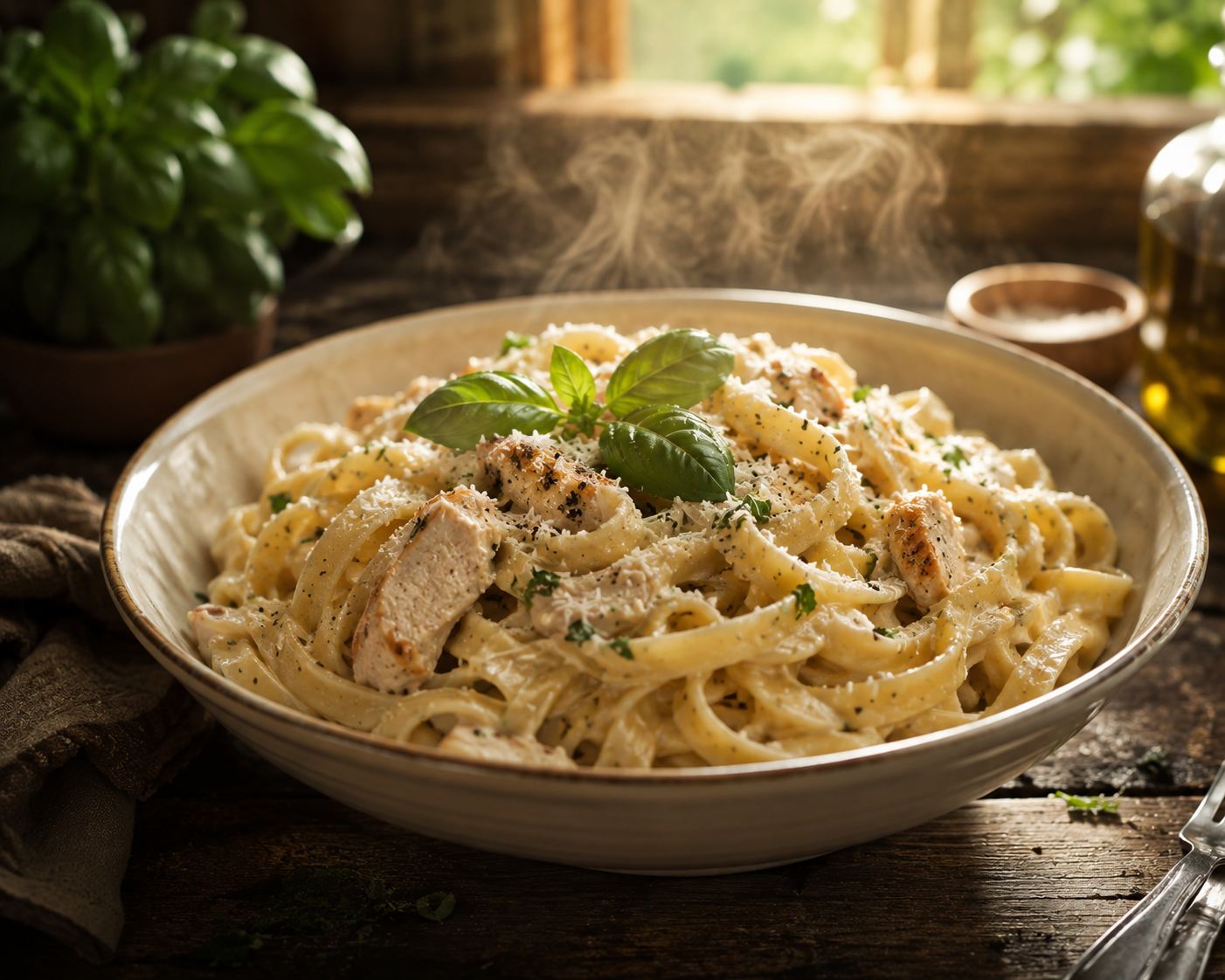
A realistic, appetizing bowl of creamy pasta photographed in natural window light on a rustic wooden table, with a soft-focus background, fresh basil leaves on top, gentle steam rising, and warm tones. The dish should look genuinely edible and freshly made — no surreal, abstract, or sculptural elements, no unnatural shine, and no repeating shapes that look like holes or worms. Photorealistic food photography, shallow depth of field, 8K detail.
With the prompting approach above, your AI food moves from uncanny to genuinely mouth-watering — and that's exactly where Fanch AI comes in.
Why Fanch AI Is the Best for Realistic AI Food
Fanch AI gives you a dedicated image model that follows prompt nuance — so you can describe a dish, the light, and the styling precisely, and get back AI food that looks like it belongs on a menu instead of in a meme. The key is the prompt, and Fanch AI is built to honor it.
👉 Start here: GPT Image 2 on Fanch AI — generate your own appetizing AI food image now.