
Viral AI Photo Editing Trends: 8 Styles + Prompts | Fanch AI
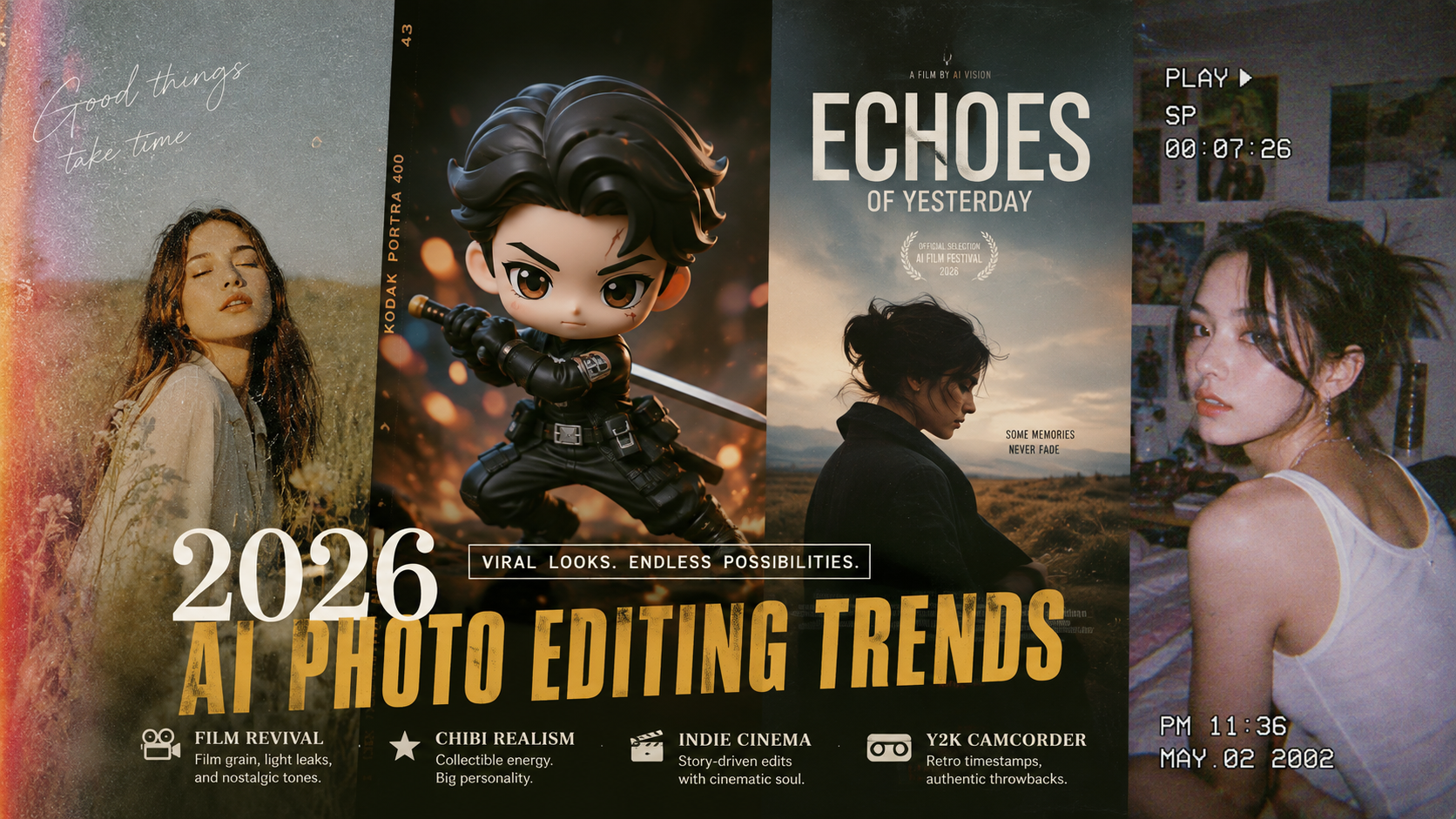
Viral AI photo editing trends have moved past the polished selfie. Over-filtered faces and plastic-looking retouches are fading fast — creators are now using AI to make photos emotional, cinematic, weird, and personal instead of perfect. From fake vintage camcorder clips to AI-generated movie posters and surreal toy versions of ourselves, AI photo editing this year has become a storytelling tool, not a filter rack. Here are the eight biggest viral AI photo editing trends of 2026, why they exploded, and copy-paste prompts you can run on Fanch AI right now.
The shift is simple to describe: people are no longer editing photos like technicians, they're editing like storytellers. Because flawless AI output is now free and easy, human authenticity has become the premium asset — and these eight styles are exactly how creators are cashing in on it. And because every viral AI photo editing trend below starts with a copy-paste prompt, you can recreate any of them in seconds.
1. The Beautifully Imperfect Film Look
The biggest AI photo editing trend online is making photos look older, messier, and more emotional. Film scratches, grain, faded colors, and light leaks push back against the too-perfect AI aesthetic — and Gen Z creators who grew up on polished influencer photography can't get enough of it. Trending on Instagram, TikTok, and Tumblr.
Turn this photo into a faded late-90s disposable camera memory. Add dusty film grain, soft motion blur, uneven lighting, tiny scratches, and a warm sunset glow leaking from one corner. Make it feel accidental and nostalgic instead of polished.
2. AI Action Figures and Chibi Avatars
Toyification is one of the most shared AI photo editing styles of 2026. Users turn themselves into collectible figures — oversized anime-inspired Chibi versions or hyper-detailed action-figure packaging with accessories and fake branding. Playful, weirdly personal, and highly shareable on TikTok, Pinterest, and Instagram Reels.
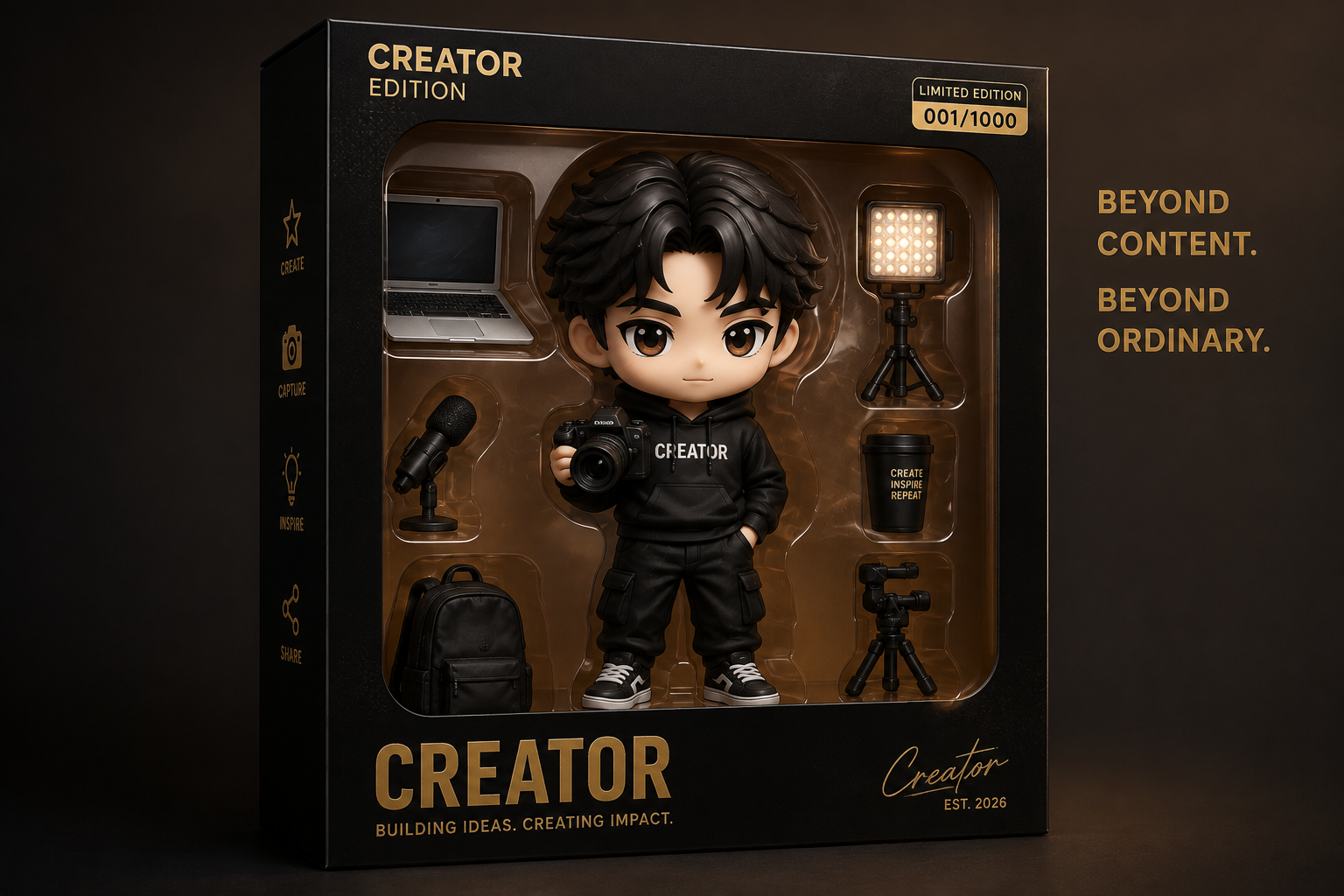
Transform the subject into a stylized collectible toy with glossy plastic textures, exaggerated eyes, miniature accessories, and premium retail packaging. Add dramatic studio lighting and make it look like a limited-edition designer figure.
3. Cinematic Time Travel
AI photo editing tools are doubling as time machines. Creators place themselves inside different decades — 1970s disco clubs, rainy Victorian streets, 2090 cyberpunk cities — and the AI automatically adapts clothing textures, lighting, shadows, and color grading to the era. Trending on Instagram and TikTok.
Place this person inside a rainy Tokyo street in 1986 at night. Add glowing neon reflections, vintage shop signs, cinematic fog, and realistic lighting that naturally matches the environment.
4. Fake Movie Posters
Your selfie is now a Netflix thumbnail. Creators transform ordinary portraits into fake rom-coms, horror films, anime epics, and indie dramas — complete with cinematic typography, fake release dates, and dramatic taglines. Small creators use them as profile banners and event invitations. Trending on TikTok, Facebook, and X.
Create a dramatic indie movie poster using this portrait. Add cinematic shadows, subtle film grain, elegant title typography, critic-style quotes, and a moody color grade inspired by modern A24 films.
5. Scrapbook Collages and Digital Journals
Pinterest aesthetics have taken over AI photo editing. Instead of one clean image, creators layer photos with torn paper textures, handwritten notes, stickers, stamps, flowers, and doodles — a physical diary page scanned into the internet. Huge among lifestyle creators and students. Trending on Pinterest, Tumblr, and Instagram.
Turn this image into a handmade scrapbook page with torn notebook edges, handwritten notes, tape pieces, coffee stains, faded magazine cutouts, and soft pastel textures.
6. Motion Effects on Still Photos
Static photos are starting to look alive. This trend adds speed, blur, and cinematic movement to still images — sports creators, fashion influencers, and musicians use it to create dramatic energy without shooting video. Trending on TikTok and music and movie promos.
Keep the subject perfectly sharp but add dramatic motion blur to the city lights and background. Include light streaks, subtle camera shake, and fast-moving energy like a scene from an action film.
7. Y2K Camcorder Revival
The early 2000s are back. Camcorder overlays, timestamp graphics, CRT distortion, and low-resolution flash photography are everywhere — recreating the chaotic charm of old family videos and Myspace-era party photos. Trending on TikTok and Instagram Stories.
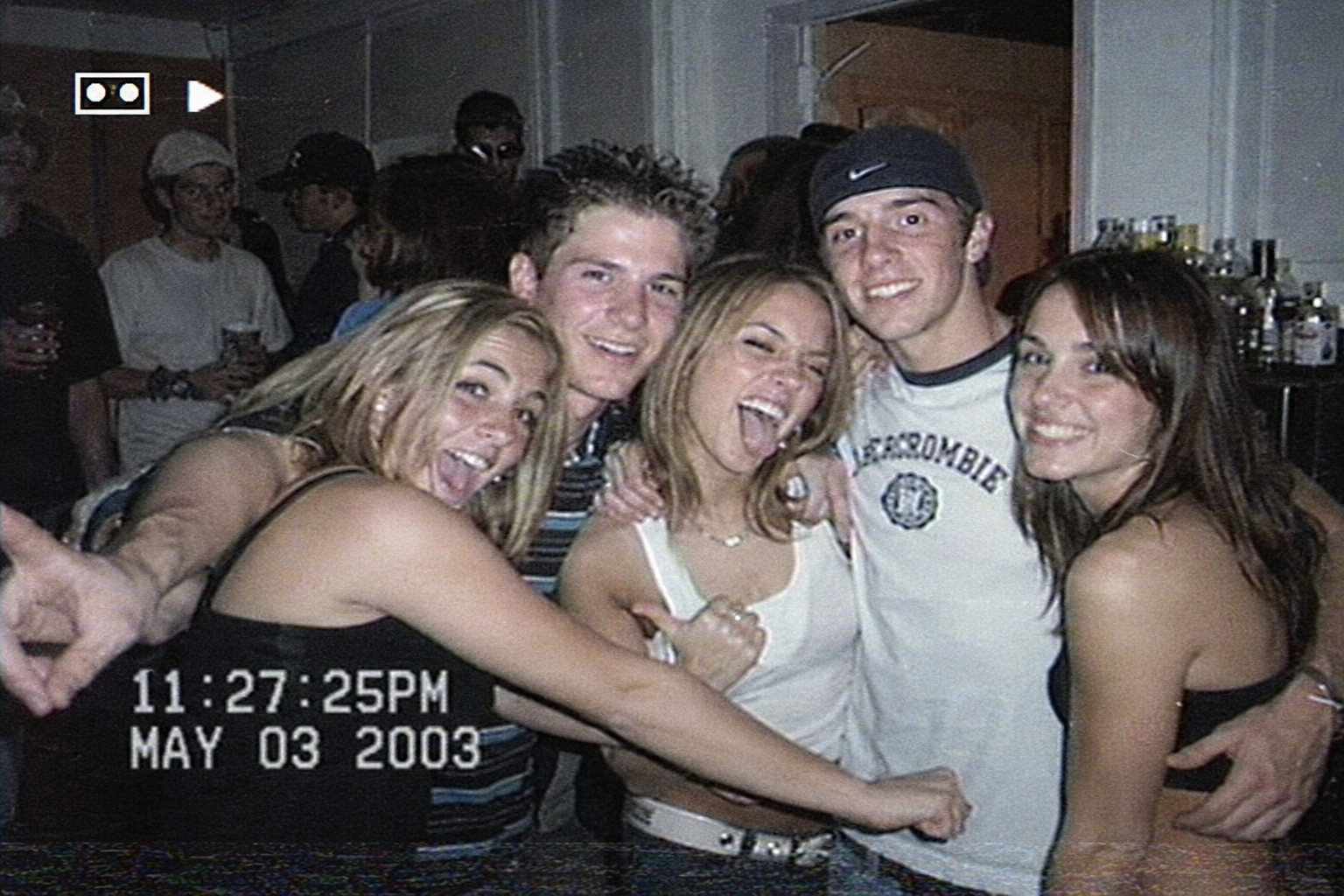
Edit this photo like it was captured on a cheap 2003 camcorder. Add timestamp overlays, flash overexposure, low-resolution grain, slight VHS distortion, and cool-toned indoor lighting.
8. Character Consistency Storytelling
The most important AI photo editing breakthrough of 2026: AI finally remembers faces. Creators generate multiple scenes with the same person without their appearance changing — opening the door to AI comics, mini story series, branded mascots, and visual storytelling campaigns. Trending among YouTube creators, marketers, and educators.
Generate four scenes featuring the exact same character with consistent clothing, hairstyle, facial features, and proportions. Show them in different emotional moments across a cinematic day.
Start Creating These Trends with Fanch AI
Every prompt above runs on Fanch AI with models that handle style transfer, character consistency, and cinematic grades — GPT Image 2, Nano Banana 2, and more. These viral AI photo editing trends are about personality over perfection, and Fanch AI gives you the tools to tell your story your way.
👉 Start here: GPT Image 2 on Fanch AI