Athletes Are Licensing Their AI Likeness. Read the Contract, Not the Tech
AI likeness deals have quietly crossed a line this year. Socceroo Cristian Volpato licensed his AI likeness to Callandor, a company positioning itself around what it calls athletes' "digital DNA" — protecting it in one direction and monetising it in the other. The Guardian's framing is that Volpato is the latest footballer to do it, which is the important word: latest implies a queue.
The obvious reaction is to argue about whether a synthetic twin is unsettling. That argument is already over. What actually determines whether AI likeness licensing works for athletes is the paperwork — scope, revocation, exclusivity, and what happens when the player stops playing.
So this is a piece about the contract, not the model.
What Actually Happened
Callandor announced the Volpato partnership in September, and the story kept spreading through October as Asian and European outlets picked up the "digital twin" framing. The Korean coverage captured the business logic better than any English headline: I play the matches, the AI does the ads.
That is the entire pitch of AI likeness licensing in one line. An athlete is a walking brand with a narrow window — a short career, a crowded calendar, and global demand for their face that they physically cannot satisfy. An AI likeness license lets the brand appear in places the person cannot be.
Callandor's own materials frame it as protection as much as income: athletes should control their AI likeness before someone else does it for them.
Worth being precise about the sourcing, though. The Callandor announcements are press releases, which means they describe the deal the way the company wants it described. The Guardian's reporting adds the independent context. Neither tells us the money, and nobody has published the licence terms.
Why Athletes Sell First
Athletes are the first wave of AI likeness licensing for four structural reasons, and none of them apply to most people.
The window is short. A footballer's commercial value peaks in a decade and then falls. Licensing an AI likeness extends the earning curve past the point where the body stops cooperating.
The demand is already there. Sponsors want the face. They cannot have it forty times a year. An AI likeness turns an unfillable request into a product.
The asset is concentrated. One person, one face, one signature. It is the cleanest possible AI likeness licensing unit — no committee, no estate, no band member to argue with.
The alternative is worse. Every athlete with a public profile is already being deepfaked. Licensing an AI likeness is the defensive move: if a synthetic version of you is inevitable, better to be the licensor.
The Two Halves Nobody Separates
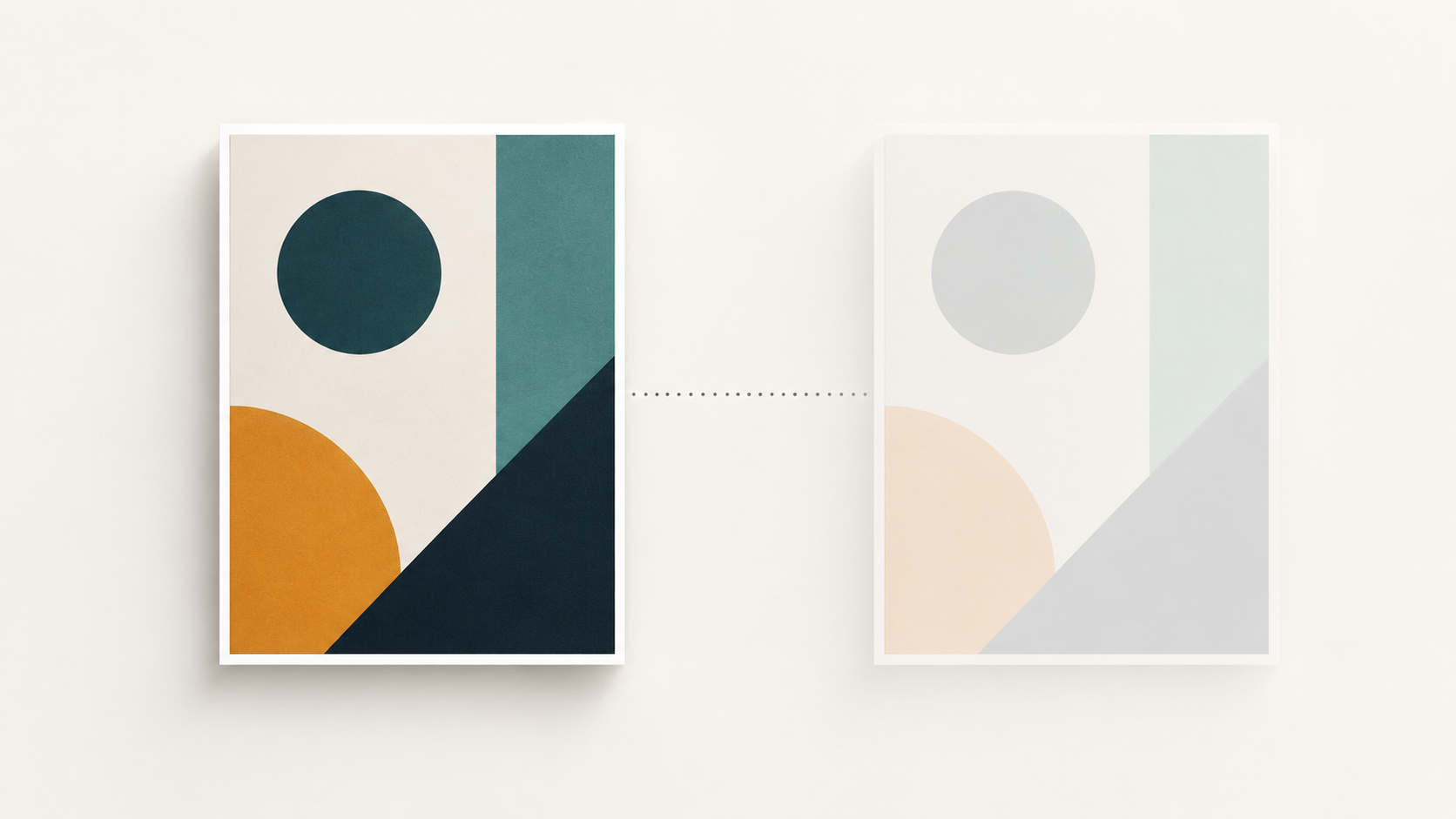
Most coverage treats an AI likeness deal as a money story. It is actually two deals stapled together, and they pull in opposite directions.
The defensive half. You license your AI likeness to a partner so there is a single, documented party that owns the right to generate you. That gives you someone to enforce against, and it establishes a record that unlicensed use is unlicensed. Without this half, an AI likeness deal is just exposure.
The offensive half. You monetise. Content gets generated, campaigns ship, revenue splits, and the athlete earns while asleep.
The tension is obvious once you say it out loud: the more you commercialise your AI likeness, the more footage of your synthetic self exists in the world. A badly scoped AI likeness deal creates the exact deepfake problem it was supposed to prevent.
Seven Questions an AI Likeness Contract Must Answer
If you ever sign one of these — as an athlete, a creator, or anyone with a face worth licensing — these are the terms that matter in any AI likeness negotiation. Ask them before the money.
1. What media, in what styles? A licence for still images is not a licence for video, voice, or interactive avatars. An AI likeness grant that says "digital content" is a blank cheque.
2. For how long, and does it renew? Perpetual AI likeness grants exist and are almost always a mistake. Push for term limits with active renewal.
3. Can you revoke? If a campaign goes wrong, can you pull it? Revocation without a technical mechanism is a clause, not a right.
4. How does it interact with existing sponsors? This is the one that breaks deals. A club, a boot sponsor, and an AI likeness partner can all claim the same face in the same week. Exclusivity must be carved out explicitly.
5. Do you approve output before it ships? Approval rights are the difference between licensing your AI likeness and giving it away. Insist on seeing final assets, not prompts.
6. What happens after retirement, and after death? An AI likeness outlives a career by decades. Who controls it in year fifteen?
7. How do you audit and enforce? Rights you cannot inspect are rights you cannot defend. Demand reporting.
What Can Still Go Wrong
Even a well-drafted AI likeness licence has failure modes worth naming.
Likeness drift. Generations compound. A model trained on licensed material regenerates from its own outputs, and the twin becomes a slightly wrong version of the person over years. Nobody has a good answer for this yet.
Off-brand output. The model does not know your values. An AI likeness can end up selling something the person would refuse in person.
A twin that outlives the fame. Once the generating party holds weights, the leverage flips. This is why revocation mechanics matter more than the fee.
Jurisdictional mismatch. Likeness law varies enormously by country. An AI likeness contract signed under one regime can be unenforceable under another, which is precisely where a bad actor will operate.
What This Means If You Are Not Famous
The Volpato deal is not a template you can copy, and the honest version of this article should say so: AI likeness licensing is currently a product for people whose face already has a market.
But the underlying shift reaches everyone. Two things follow.
You are now a licensable asset, whether or not anyone asked. If a synthetic version of you can be generated, the question is not whether it will be, but whether you have any say. Even for ordinary creators, documenting your own AI likeness posture — what you allow, what you refuse — is cheap insurance.
The two-tier split is real. Stars get paid for their AI likeness. Everyone else gets impersonated for free. That asymmetry is the political problem nobody has legislated yet, and it is worth watching more closely than the technology — and more closely than any single AI likeness deal.

A Prompt to Try
If you want imagery with the atmosphere of this story without touching anyone's likeness, build the place instead of the person.
Copy & Paste this into Fanch AI (Model: gpt_image_2):
A cinematic still of an empty stadium players' tunnel leading out toward a floodlit pitch at night: polished concrete walls streaked with age, a line of overhead lights receding toward a bright opening, faint mist drifting across the floor, scattered shadows on the ground. Cool blue-teal shadows against warm light spilling from the pitch, visible texture in the concrete, shallow depth of field, 16:9 framing, 8K detail, no people, no brand logos, no text overlay.
That is the atmosphere of an athlete's working life — and it needs nobody's consent.
Why Fanch AI Fits
The lesson of the Volpato AI likeness deal is that images of people are now a rights question before they are a creative one. That makes what you generate, and where you generate it, a decision with consequences.
Fanch AI gives you a dedicated image model you direct with precise prompts — so you can build scenes, places, and characters you actually have the right to use, and keep your own work clearly your own.