ChatGPT Ads Are Coming to Image Generation
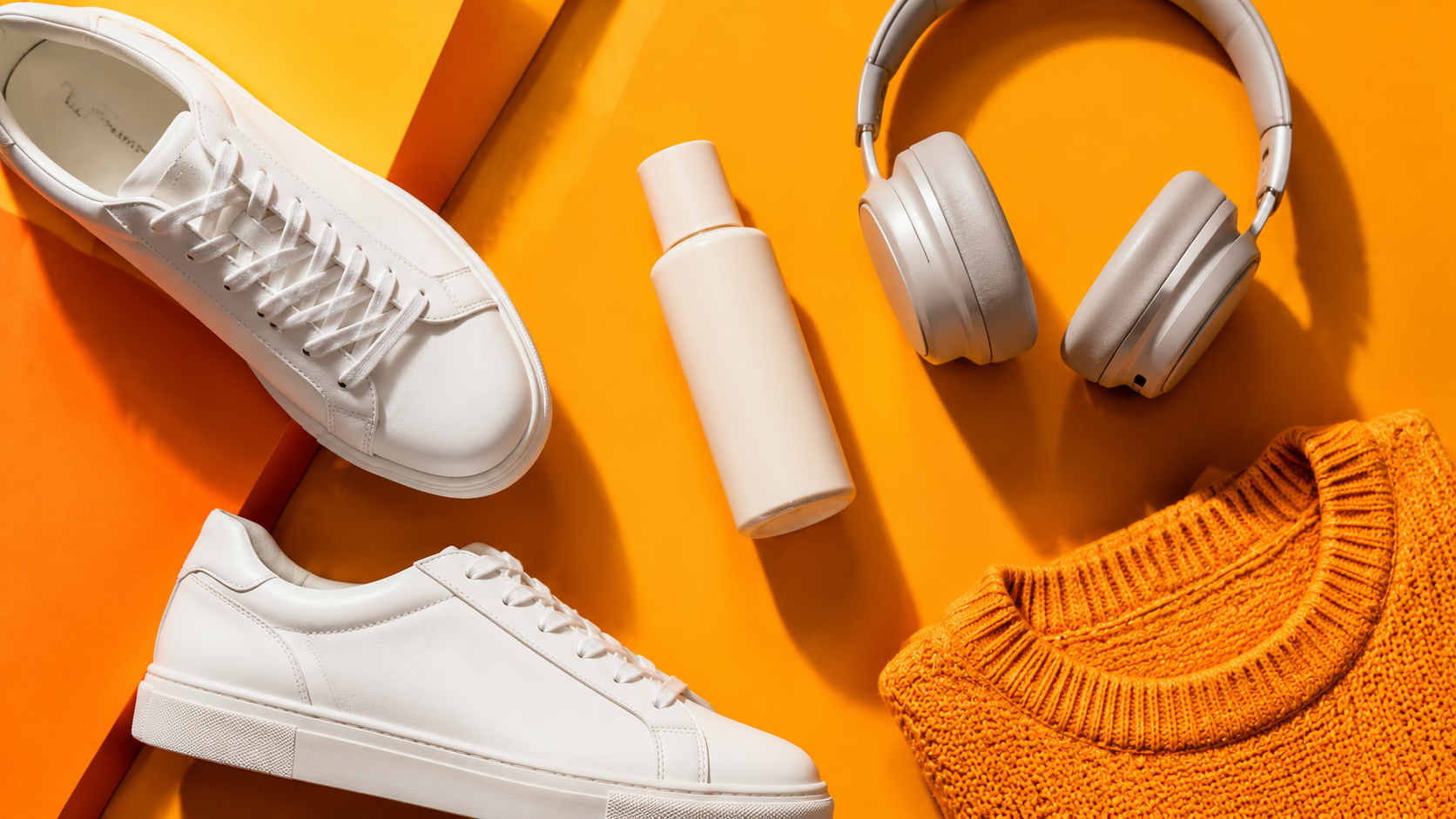
OpenAI is putting advertising inside image generation. The company announced a new visual ad format for ChatGPT that it will test first during image generation, starting later in October in the US with an initial group of advertisers. It's the first time ChatGPT ads will appear inside the creation flow itself. ChatGPT ads have been expanding all year — this is the most visible step yet.
It's a notable line to cross. Image generation has been one of the least commercialized corners of ChatGPT — and ChatGPT ads arriving there says a lot about how OpenAI intends to monetize the product. Until now, ChatGPT ads lived in conversations and search-like answers. Image generation is a different room entirely.
What OpenAI Actually Announced
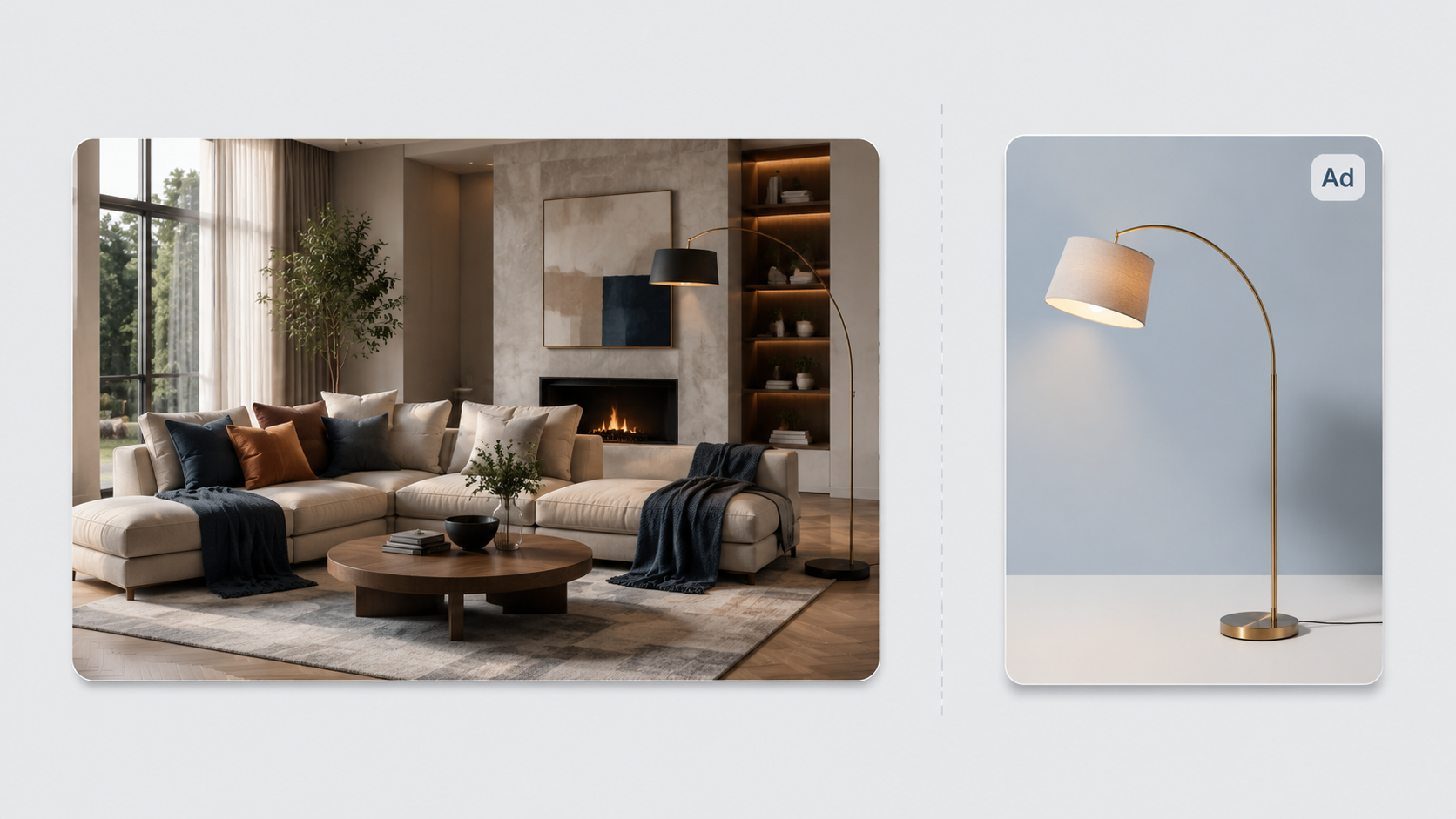
According to OpenAI's post, "Building advertising for the way people use AI," the new visual ad format uses images to show one of three things:
- Product inspiration — an idea for something you might want.
- Product usage — the product in action.
- Experiences a product makes possible — the outcome, not the object.
Two constraints are stated explicitly. First, the ChatGPT ads will be clearly labeled. Second, they will remain separate from the image being created — the ad isn't baked into your generation. OpenAI also says advertising does not influence ChatGPT's answers.
Testing starts later this month in the US, with an initial group of advertisers, and the company says it will add formats over time. So this is a limited pilot, not a global switch — but it sets the template for ChatGPT ads going forward.
Why Image Generation Is the Test Bed
Putting ChatGPT ads beside generated images is a logical first move for a simple reason: image generation is inherently a discovery moment. A user generating a picture of a living room, a product mockup, or a gift idea is already imagining a purchase. That intent is exactly what ChatGPT ads want to catch.
That makes the placement unusually relevant — and unusually risky. An ad that appears while you're creating something is intrusive in a way a search ad isn't, which is why OpenAI is emphasizing labeling and separation when it introduces ChatGPT ads here.
The Measurement Stack Behind ChatGPT Ads
The announcement wasn't only about the ad unit. OpenAI also outlined how advertisers will measure ChatGPT ads, which matters just as much. Measurement is what turns ChatGPT ads from a novelty into a budget line:
- Conversion integrations — partnerships including Hightouch, Tealium, and LiveRamp.
- Attribution partners — at least ten named, including AppsFlyer, Adjust, Branch, Kochava, Singular, and others.
- Incrementality testing — region-based experiments with House, Measured, and WorkMagic.
- Brand suitability — Negative Phrases for qualifying advertisers, plus pilots with DoubleVerify and Integral Ad Science that assess OpenAI's safeguards without access to private conversations.
That last point is aimed at the obvious objection: brands want assurance their ChatGPT ads won't sit beside something brand-damaging. It's the same question any new ChatGPT ads surface has to answer.
What OpenAI Claims So Far
OpenAI shared partner-reported early results for its ad products, including a 15.3% lower attributed cost per acquisition for WeightWatchers compared with its blended paid-search benchmark. Treat that as a vendor-reported figure from a single case, not an industry baseline — early ChatGPT ads numbers should be read carefully.
The scale argument is more concrete: OpenAI says ChatGPT reaches 1.2 billion people each week. Advertising, the company argues, funds broader access. Earlier in 2026, OpenAI introduced ChatGPT ads in free and low-cost tiers and expanded to India in August — the image-generation test is the next step for ChatGPT ads.
The Trade-Off OpenAI Isn't Ruling Out
Reporting on the launch flags a real tension: ads beside generated images could degrade the experience and push some users toward ad-free paid subscriptions. That's not necessarily a failure — it's a segmentation strategy. Free users see ChatGPT ads; paying users don't.
Still, the balance is delicate. If ChatGPT ads make image generation feel like a shopping aisle, the feature that feels magical today starts to feel transactional. That's the risk every ChatGPT ads expansion carries.
What It Means for Creators
Three implications stand out as ChatGPT ads move into image generation:
- Image generation is now an ad surface — commercial intent is being attached directly to creation, not just to search.
- Visual quality matters more — if ChatGPT ads normalize imagery in the generation flow, weak visuals stand out faster.
- Creation and monetization are separate layers — the ad layer decides who pays; you still have to produce the visuals.
That last point is the important one. ChatGPT ads change who gets paid for attention, not who makes the pictures. And whoever makes the pictures is still competing on craft — which is why ChatGPT ads raise the bar rather than lower it. Watching how ChatGPT ads develop is worth your time even if you never buy a placement.
A Prompt to Try Today
Ad surface or not, good imagery still starts with a precise prompt. Whatever ChatGPT ads end up rewarding, the creative still has to be sharp. Try this on Fanch AI:
Copy & Paste this into Fanch AI (Model: gpt_image_2):
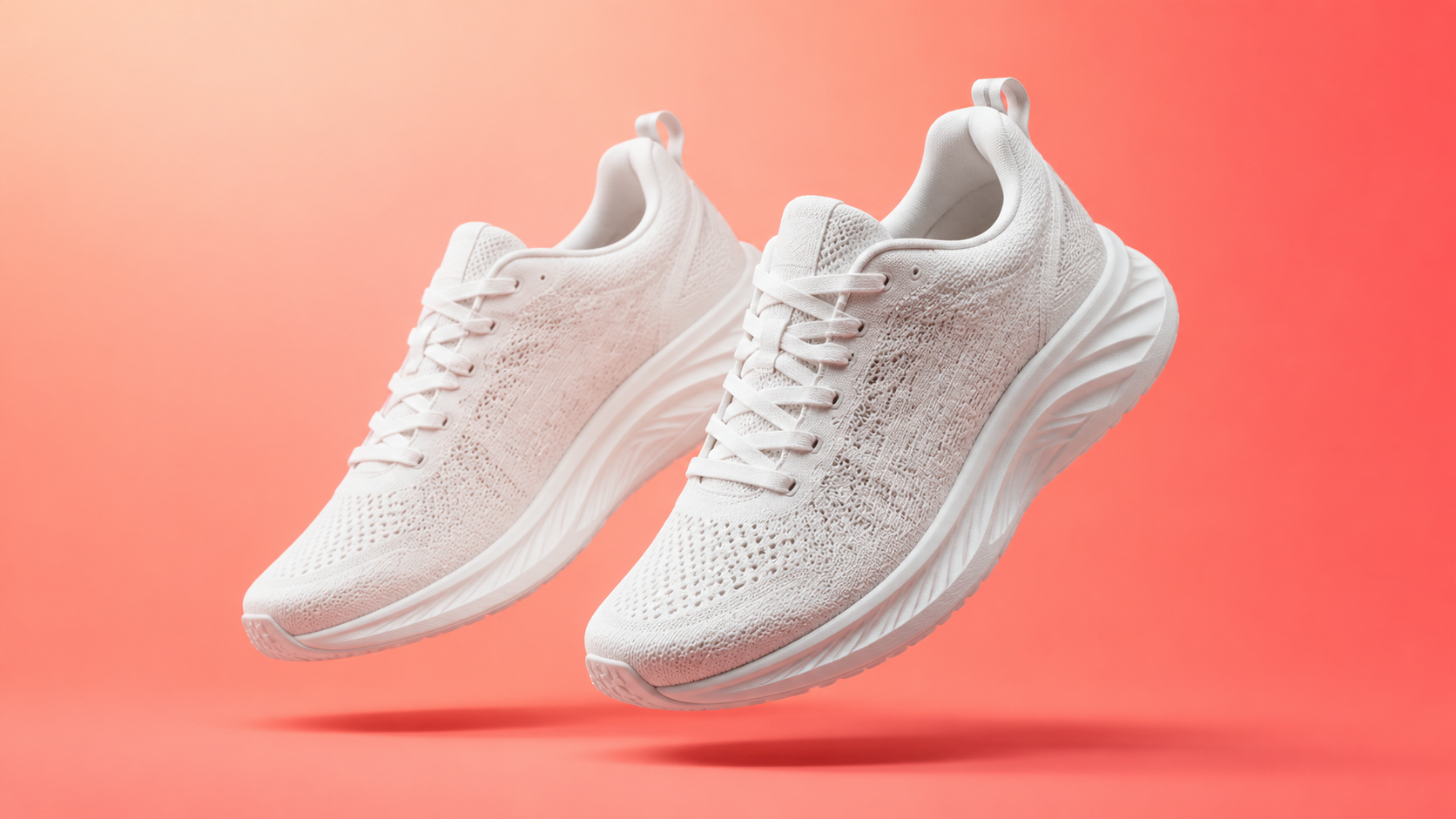
Create a clean, modern commercial photograph of a pair of white running shoes floating at a slight angle against a smooth coral-to-peach gradient background. Soft studio lighting from the upper left, a subtle contact shadow beneath the shoes, crisp detail on the mesh and laces, vibrant but tasteful color. Minimal advertising aesthetic, sharp focus, 16:9 framing, 8K detail, no text.
Why Fanch AI Is Where the Visuals Get Made
ChatGPT ads decide who gets placement. Somebody still has to make imagery that earns a click. Fanch AI gives you a dedicated image model you direct with precise prompts, so you can produce the polished product and campaign visuals that ad surfaces like ChatGPT ads reward — without navigating anyone else's ad system to do it. The ad layer will keep changing; the need for strong visuals won't. However ChatGPT ads evolve, the pictures still have to be made.
👉 Start here: GPT Image 2 on Fanch AI — create your own ad-ready visuals now.