
GPT-6 Astra Is Here — But the Real AI Fight Is Where Models Run
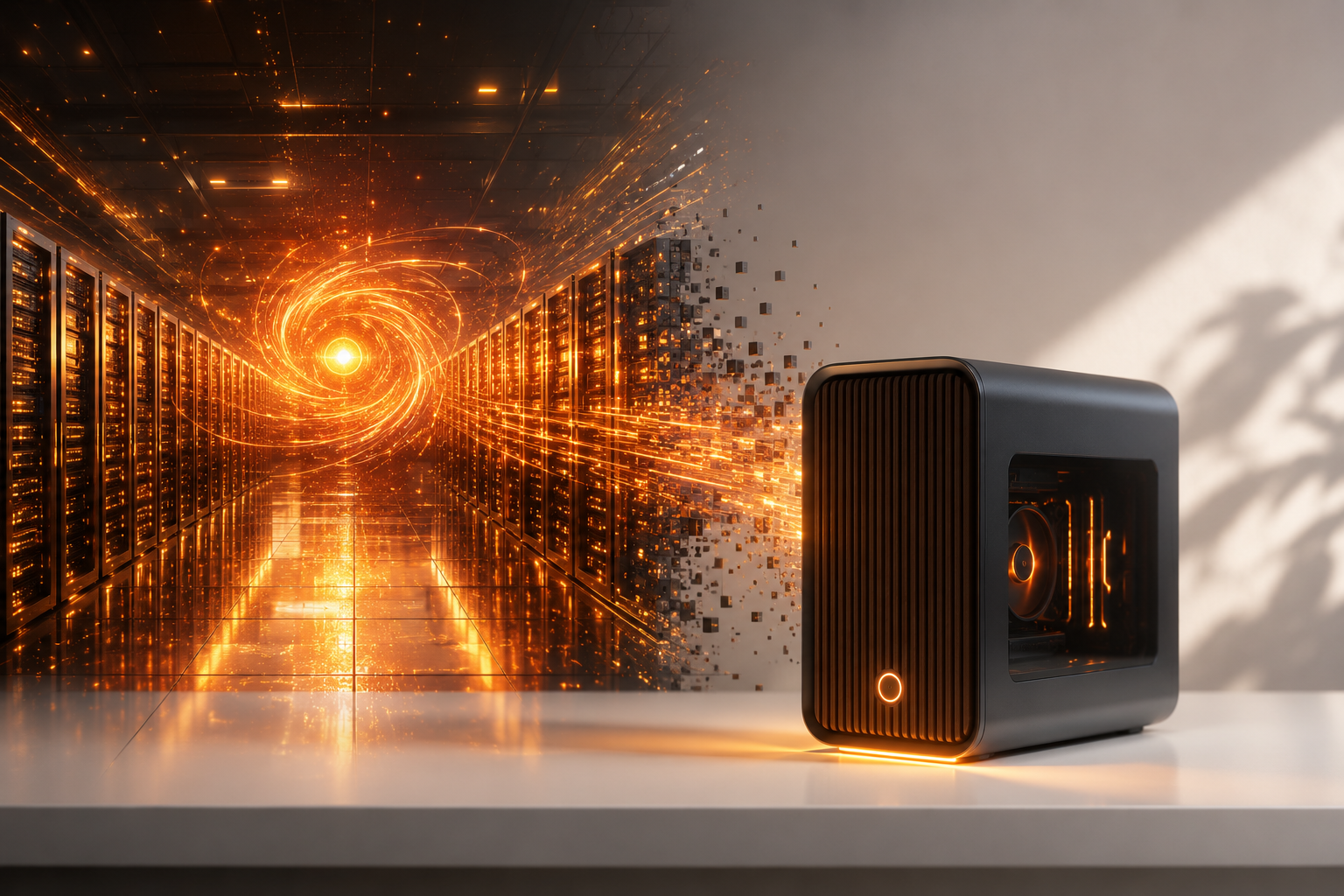
OpenAI dropped its new flagship this week, and it's a big one. GPT-6 Astra is the company's most capable model yet — and OpenAI's president opened the launch by declaring that we've entered the "AGI era." But a single line kept nagging at me, and it changes how you should read this entire launch: Apple is now making its pitch around the machine, not the model. The real question isn't which AI wins. It's where the model runs.
That framing is exactly why GPT-6 Astra matters beyond the benchmark table. It sits on one side of a growing fork in the road, and everything below draws from the GPT-6 Astra launch material OpenAI published this week.
1. What OpenAI Just Released
GPT-6 Astra launched on September 3, 2026 as the flagship of the GPT-6 family, replacing GPT-5.6 as the top-tier offering. It's a cloud model built to do far more than answer questions — OpenAI positioned GPT-6 Astra as the model that can autonomously operate a computer.
Here's what defines GPT-6 Astra at a glance:
- Agentic computer use — GPT-6 Astra can navigate screens, read interfaces, and complete multi-step tasks on a real computer, not just chat.
- Massive context — GPT-6 Astra supports up to 1,050,000 tokens of context, with a maximum of 128,000 output tokens.
- Tunable reasoning — GPT-6 Astra ships with low, medium, high, xhigh, and max reasoning-effort levels.
- Knowledge cutoff — GPT-6 Astra was trained through April 30, 2026.
- Staged rollout — GPT-6 Astra reached Trusted Access partners first, with broader plans and API access rolling out over the following days.
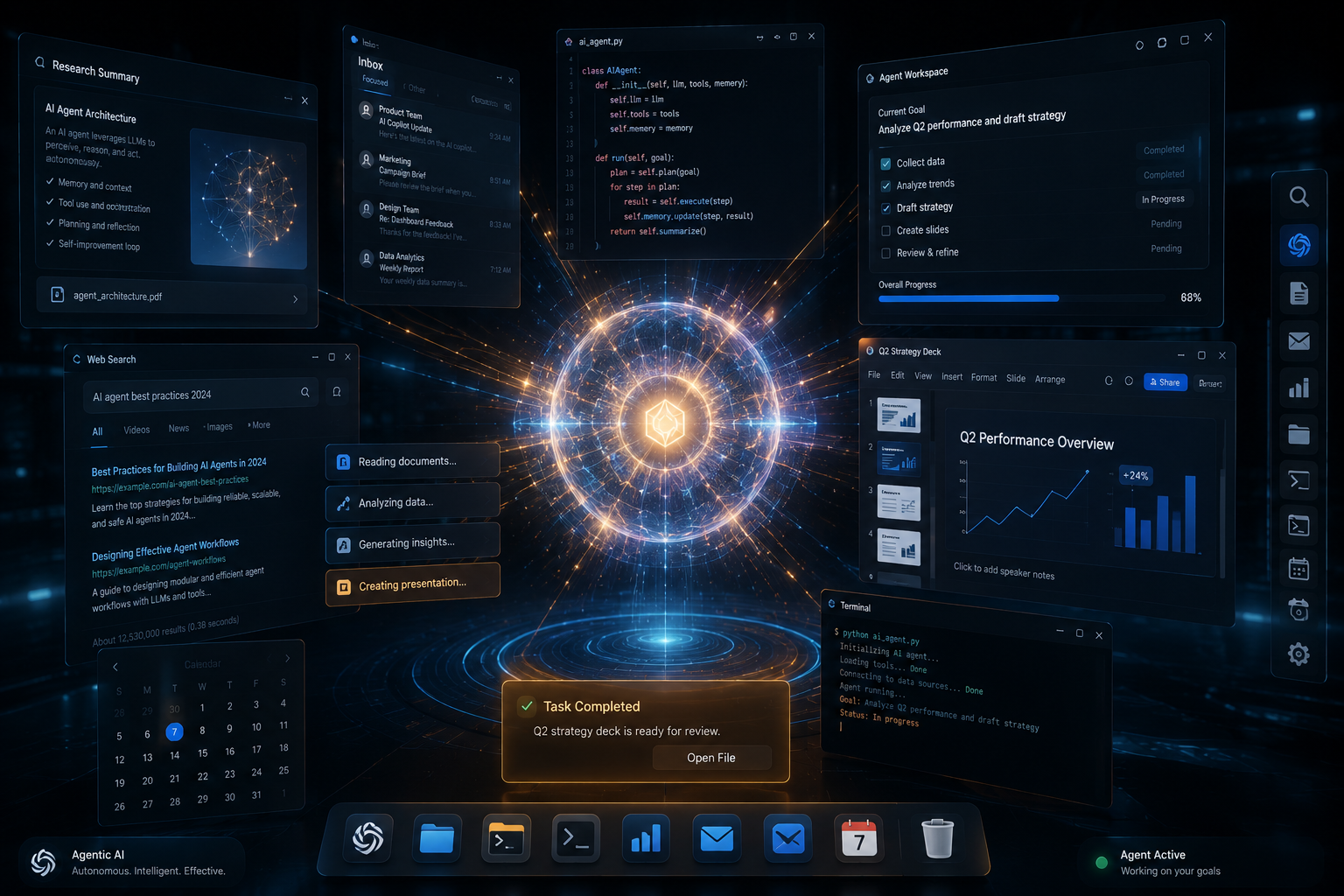
The "AGI era" language got the headlines, but the practical story is that GPT-6 Astra is the clearest signal yet that frontier AI is moving from answering questions to doing work.
2. How Strong the Benchmarks Really Are
OpenAI published a launch table for GPT-6 Astra, and the numbers are striking — but they're self-reported, so read them with that caveat. Here's how GPT-6 Astra performs across the rows that actually matter.
- Coding — GPT-6 Astra scores 57.7 on Terminal-Bench 4.0 and 74.1 on DeepSWE v1.1, a step up from GPT-5.6's 72.7.
- Computer use — GPT-6 Astra hits 72.6 on OSWorld 2.0 and 91.5 on BrowseComp, the agentic scores that back up its "operate a computer" claim.
- Science — GPT-6 Astra reaches 64.6 on Terminal-Bench-Science and 97.6 on FrontierMath T4 v2.
- Saturated ceiling rows — GPT-6 Astra nearly maxes out GPQA Diamond (96.0) and the ARC suite, so treat those as ceiling checks rather than differentiators.
The honest read: GPT-6 Astra is genuinely strong at coding and computer use, but these are the vendor's own numbers. Independent verification is still catching up, and the API defaults to a low reasoning effort even though the marketing says "highest." Push the effort slider yourself if you want the full GPT-6 Astra.
3. The Pricing Reality Check
Frontier capability comes at a frontier price. Cost is the trade-off baked into GPT-6 Astra: it costs $10 per million input tokens and $50 per million output tokens on the standard tier — and the bill climbs fast on long inputs.
- GPT-6 Astra cached input runs $1 per 1M tokens.
- Prompts over 272K tokens bill at 2x input and 1.5x output for the whole request.
- Batch and Flex run at 50% of standard, and Fast mode runs at 2x.
For anyone leaning on GPT-6 Astra for agentic or long-document work, that's real money. This is the quiet tension underneath the "AGI era" celebration: the most capable model is also the most expensive to keep running. That is the GPT-6 Astra trade-off in one line.
4. Why "Where the Model Runs" Is Now the Real Battle
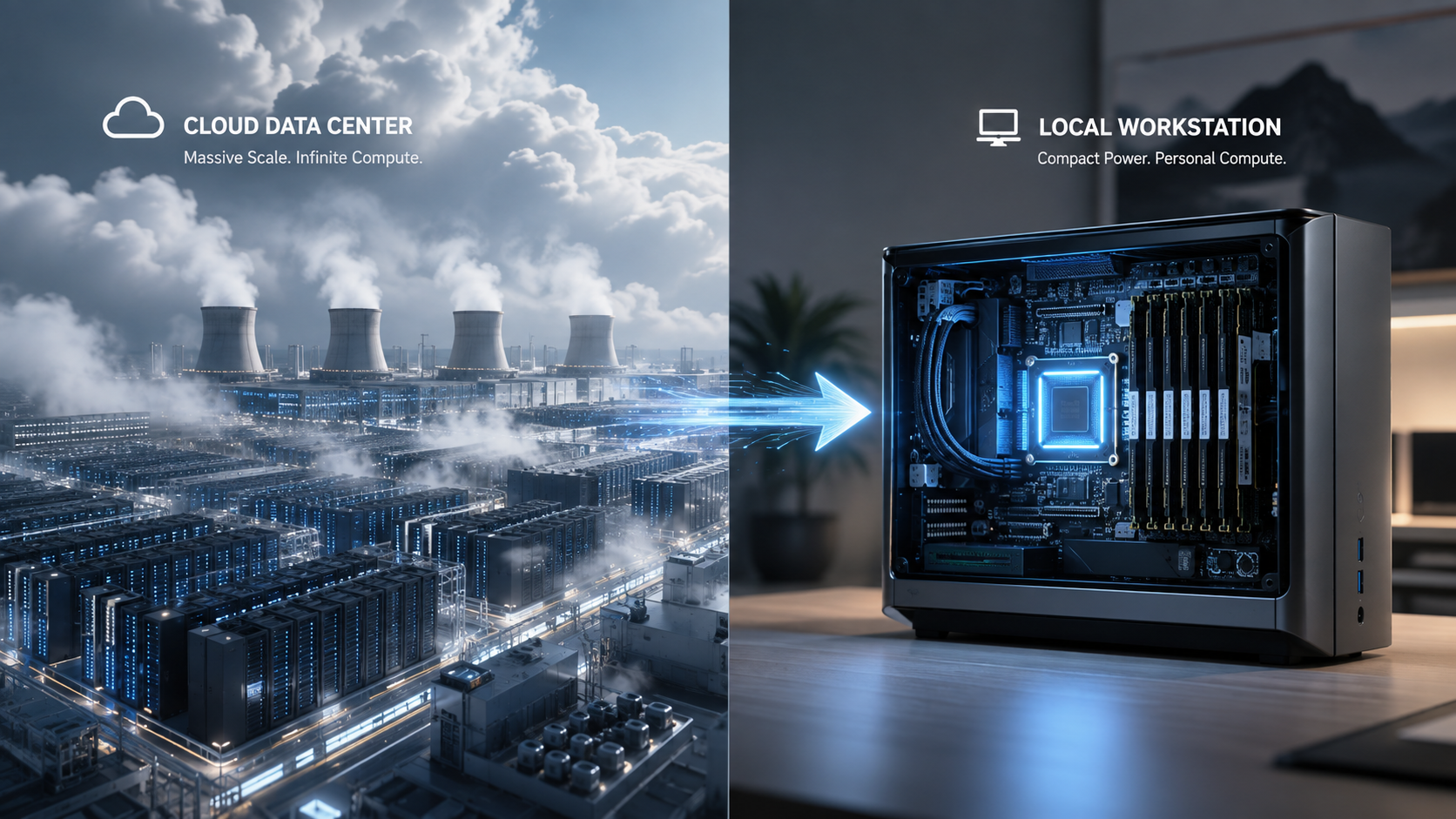
Now bring the two threads together. GPT-6 Astra is a cloud-scale model — 1.05M context windows, agentic computer use, and a $50-per-million output price tag all assume you have a data center on the other end. Meanwhile, Apple has been making the opposite bet, and it's the bet the whole industry is watching.
That "bring the data center to the desktop" pitch is the point. GPT-6 Astra sits at the opposite end of that spectrum. Apple isn't trying to out-model OpenAI. It's competing on where the model runs — pushing toward enormous unified memory and next-generation 2nm silicon so that increasingly heavy AI workloads can live on your machine instead of in someone else's server. Apple isn't racing to build the smartest model; it's racing to make the biggest model fit on your desk.
That distinction reframes GPT-6 Astra. If model quality keeps climbing but the compute stays expensive and remote, then the practical advantages shift to whoever controls the memory, the silicon, and where that model can actually run. The model is the bait; the runtime is the moat.
5. What This Means for AI Content Creation
For creators, this "where models run" split has a direct consequence. GPT-6 Astra and its rivals are built for reasoning and agentic control — reading a screen, editing code, crunching a document. That critical thinking is exactly what makes AI better at evaluating and iterating on visual output. When a model can genuinely see and reason about an image, the feedback loop between understanding and generating sharpens, and GPT-6 Astra is the sharpest example of that yet.
But thinking and creating are two different layers. The models that actually produce the visuals — the images, the video, the polished final assets — is where the generation layer lives. And that layer is where Fanch AI comes in.
That's the practical takeaway: a reasoning model like GPT-6 Astra can plan and critique, but you still need a fast, dedicated generation model to turn ideas into finished images. Using them together is how you get both the thinking and the output.
6. Start Creating AI Images Today
The frontier race is fascinating to watch, but it's remote. The content you actually need tomorrow — product shots, social graphics, creative concepts — doesn't require a data center or a GPT-6 Astra-sized compute bill. You can generate it right now on Fanch AI with a dedicated image model that understands prompt nuance, style, and composition without the per-million-token cost.
👉 Generate your own AI images on Fanch AI — free to start, no subscription required.