GPT Image 2: Why OpenAI’s New Visual System is a Game Changer for Design
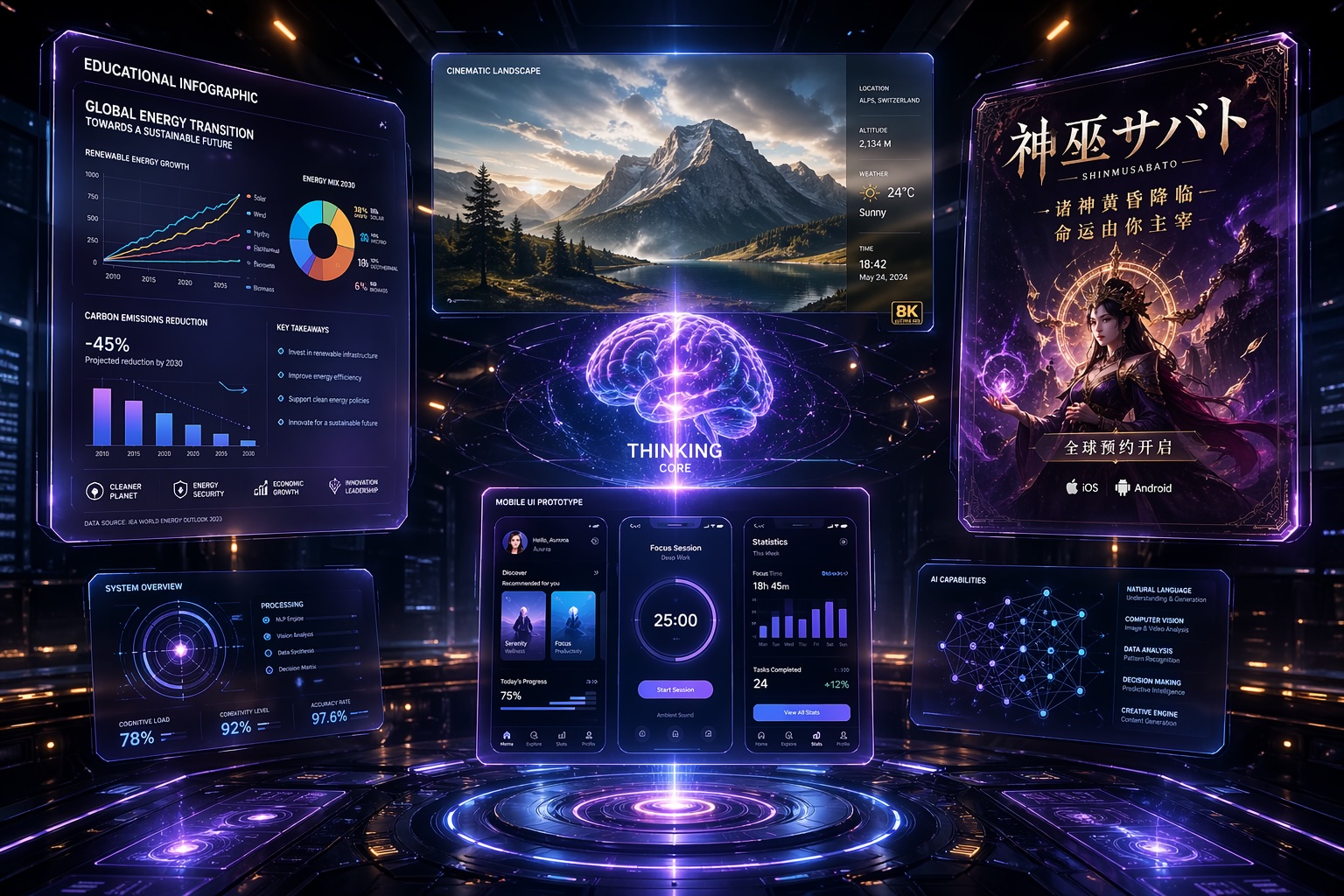
The era of simple AI rendering is over. With the official release of GPT Image 2 (also known as ChatGPT Images 2.0), the paradigm has shifted from mere image generation to a comprehensive setup known as OpenAI's new visual system.
This update isn't just about prettier pictures; OpenAI's new visual system is built to understand design intent, follow complex spatial instructions, and solve the long-standing "text-in-image" problem across multiple languages. If you are looking for a professional-grade solution, this new GPT image model is the milestone we've all been waiting for.
1. Beyond Rendering: The GPT Image 2 Instruction Leap
Most AI models struggle with precise object placement, but OpenAI's new visual system completely changes that. By treating every generation holistically, this new GPT image model can now precisely place objects, correlate complex elements, and render high-density text with stable layouts.
Whether you need a specific 3:1 panoramic banner or a 1:3 vertical poster, OpenAI's new visual system supports flexible aspect ratios without losing composition quality. The output of this new GPT image model feels like an "intentional design" rather than a typical randomized AI hallucination.
2. Breaking the Language Barrier with OpenAI's New Visual System
One of the biggest breakthroughs in this new GPT image model is its multilingual capability. While previous iterations struggled with non-Latin scripts, OpenAI's new visual system excels at rendering languages like Chinese, Japanese, and Korean with native-level precision.
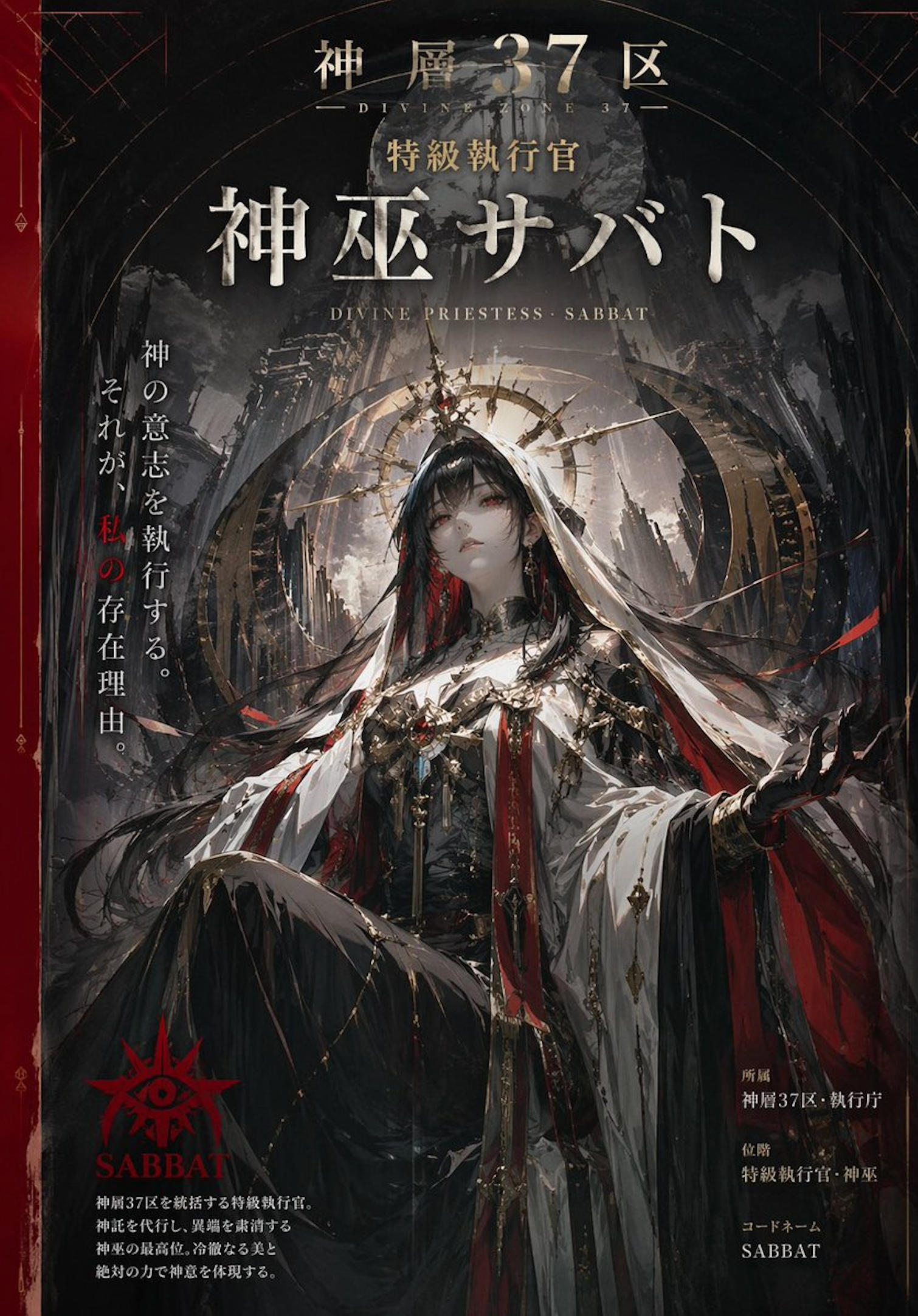
As shown in the Japanese marketing poster above, OpenAI's new visual system can now:
- Handle Complex Typography: Precise stroke accuracy for CJK characters.
- Natural Design Blending: Seamlessly integrating global languages via this new GPT image model.
- Localization Ready: Creating production-quality assets for global markets instantly.
3. The "Thinking" Mode in OpenAI's New Visual System
For the first time, a visual AI introduces "Reasoning" capabilities. Powered by this logic, OpenAI's new visual system can now:
- Search Real-Time Info: Connect to the web to ensure visual accuracy for specific trends or locations.
- 8-Image Consistency: This new GPT image model generates up to 8 images with perfectly consistent characters and styles.
- Self-Verification: OpenAI's new visual system reviews its own "thinking" trace to ensure it follows every detail of your prompt.
4. Professional Use Cases for the New GPT Image Model
The high precision of OpenAI's new visual system makes it a direct tool for industries requiring structured data. Its ability to generate "ready-to-use" content is most evident in complex educational materials.
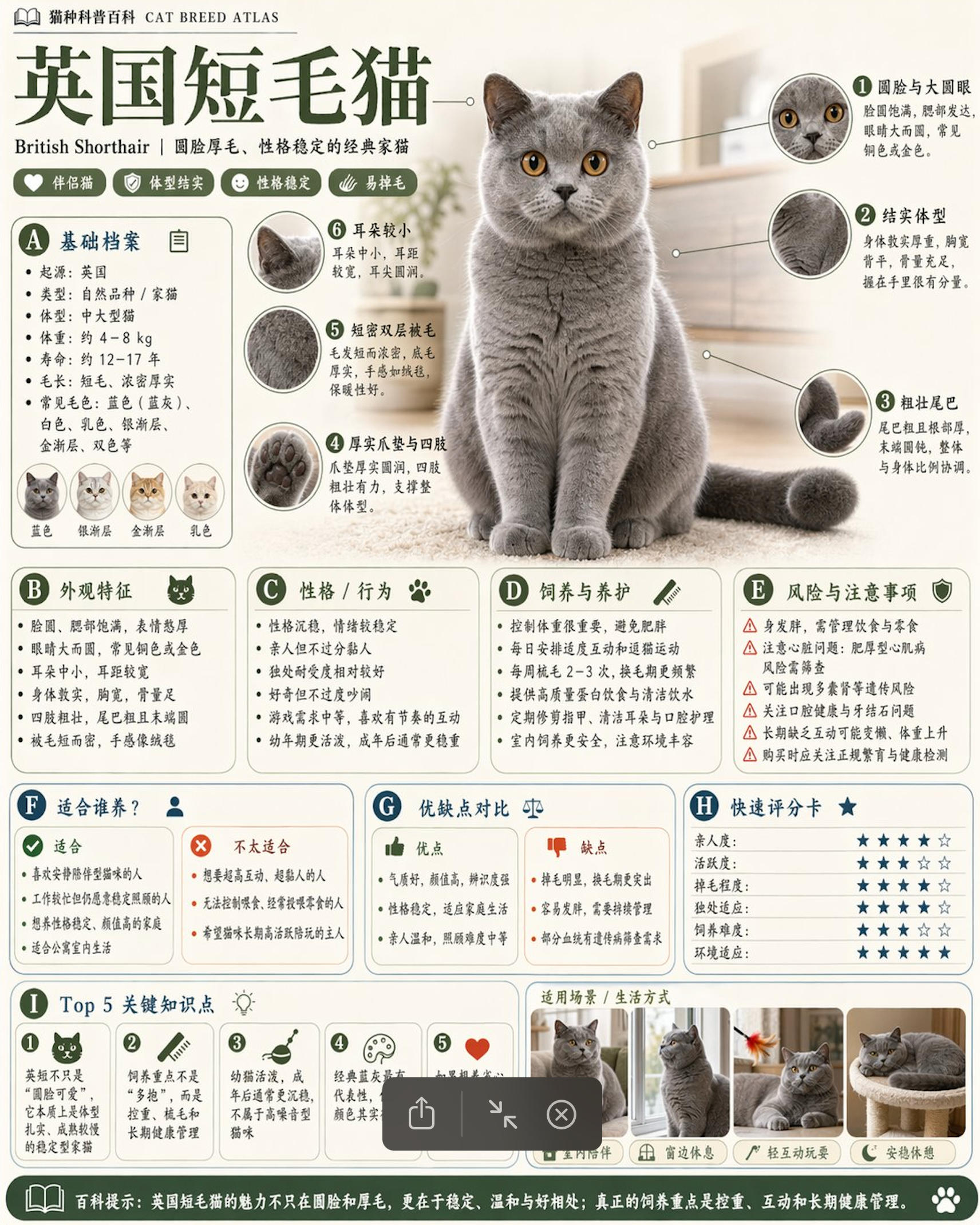
With a knowledge cutoff of December 2025, this new GPT image model is optimized for:
- Educational Infographics: Accurate labeling and structured data visualization powered by OpenAI's new visual system.
- UI/UX Prototyping: Generating clean, usable interface layouts for apps and web.
- Cinematic Photography: Restoring fine details with professional-grade lighting and texture.
5. Integration: API Access to OpenAI's New Visual System
OpenAI has made OpenAI's new visual system accessible to all ChatGPT and Codex users. For enterprise-level workflows, this new GPT image model is available via API, supporting up to 2K resolution. While advanced "Thinking" modes are reserved for Plus, Pro, and Business tiers, the core power of OpenAI's new visual system is set to become the backbone of modern creative pipelines.
Conclusion: A New Standard for Visual Intelligence
While complex physical structures still pose a challenge, OpenAI's new visual system represents a massive leap in control and global applicability. It has effectively lowered the barrier to professional design, turning every user into a creative director.
The revolution brought by this new GPT image model is no longer about just "generating an image"—it's about commanding OpenAI's new visual system to get exactly what you want.
Ready to explore the power of OpenAI's new visual system? Log in to ChatGPT or integrate the API today to start building your next visual masterpiece.