
Meta Muse AI Comes to Smart Glasses: What It Means for Creators

At Meta Connect 2026, Meta made one thing very clear: Muse AI is not staying inside a chat window. The company announced it's bringing Muse AI to its smart glasses, adding powerful new capabilities to the agent itself, and teasing a dedicated piece of hardware built around Muse AI.
For anyone who works with visuals, the interesting part isn't the assistant — it's the camera. Muse AI runs on glasses that see what you see, which makes this the clearest signal yet that visual AI is moving onto our faces. In one keynote, Muse AI went from a chatbot to something that looks at the world with you.
What Meta Announced at Connect 2026
The Muse AI news came as part of a dense product event. The highlights:
- Muse AI on glasses — Meta says it's "working on" bringing Muse AI to smart glasses, including the new frames it unveiled.
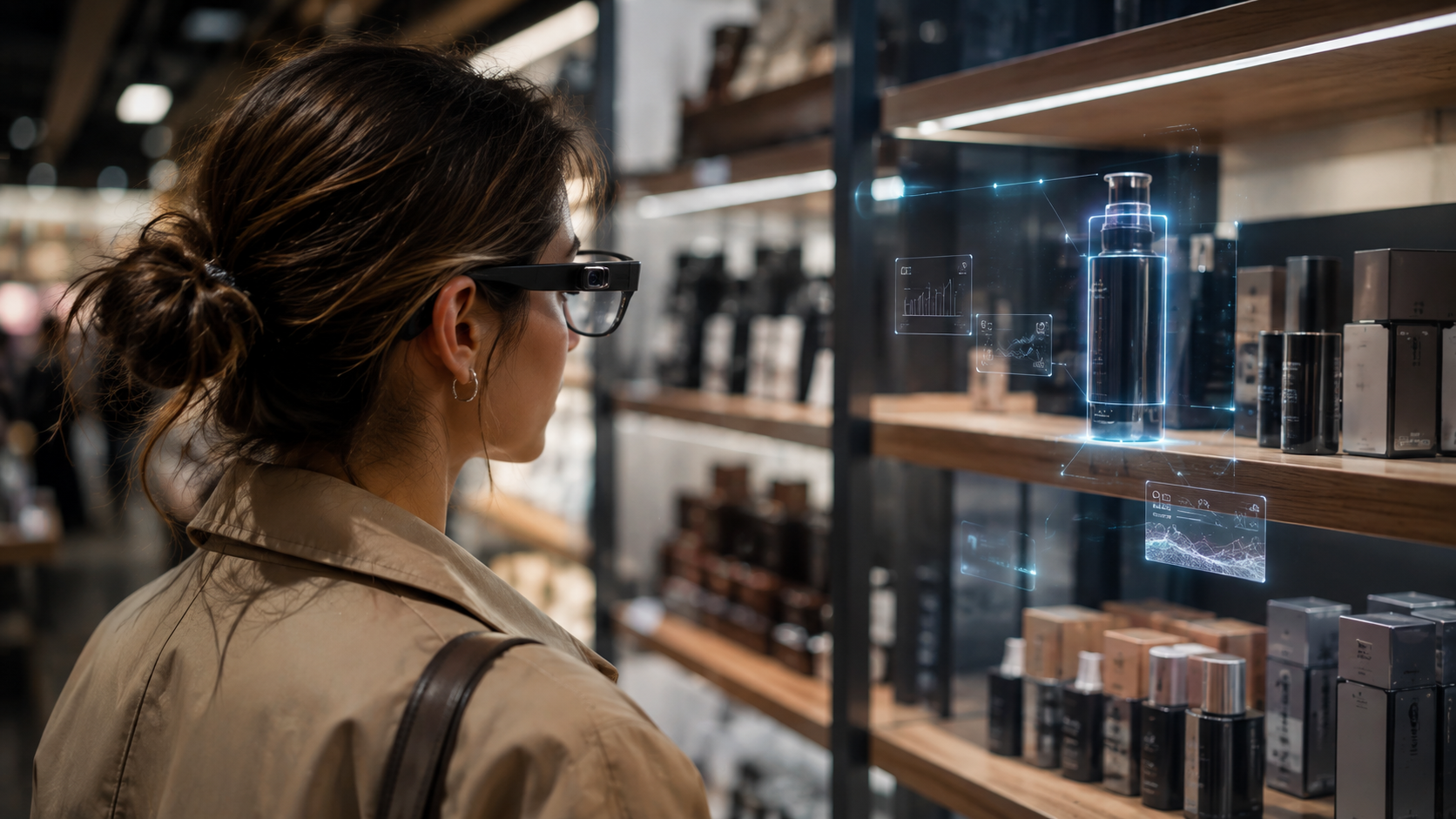
- Look-and-ask shopping — you can point Muse AI at a product and ask it to help you shop.
- Dynamic Photo — the glasses capture multiple frames, and Meta AI picks the best one from each batch.
- Hologram calls — a "photorealistic digital version of your face" for calls on Meta Ray-Ban Display, inferring your expression from your voice.
- Camera-free glasses — Meta's newest audio glasses drop the camera entirely.
- A dedicated device — the Muse Charm, a small screen-and-lanyard gadget with a fingerprint sensor, a camera, and mics.
That's a lot of surface area for one assistant, and most of it is visual.
Muse AI on Smart Glasses: The Visual Angle
What makes Muse AI different from a phone assistant is context. On glasses, Muse AI can answer "what am I looking at" with genuinely useful detail, and Meta says the answers are now more context-rich — which matters enormously for low-vision and blind users interpreting their surroundings.
Muse AI also pairs with Dynamic Photo, where the system captures a burst and uses AI to recommend the best frame. That's AI making visual judgments on your behalf — the same skill that underlies evaluating a generated image.
So Muse AI is quietly training its users to expect AI that understands images, not just text.
The Camera-Free Pair and the Privacy Question
One detail from Connect deserves attention: Meta's newest audio glasses ship without a camera. It's a direct response to scrutiny over people covertly recording others with camera-equipped frames.
That tension is now permanent in visual AI. The same camera that powers helpful Muse AI features also raises real consent questions. Any creator working with AI imagery should be thinking about it.
Muse Charm: Meta's Dedicated Muse AI Hardware
The Muse Charm is the boldest bet. It's a screen-first device with a lanyard, a fingerprint sensor to activate Muse AI, a small camera, and multiple microphones. Meta says it will ship "in time for the holidays," though only a few exist so far. Hardware built around Muse AI signals how central the agent has become to Meta's roadmap.
It's a reminder that Muse AI is being positioned as something you carry and glance at — a companion, not an app.
Why Understanding Isn't Creating
Here's the distinction that matters for creators. Everything above is the capture-and-understand layer: Muse AI sees, interprets, and acts. That's genuinely useful, and Muse AI does it well.
But professional visual work is the creation layer. When you need a campaign image, a clean product shot, or fifty consistent variations for a catalog, you don't want an assistant making a quick picture between other tasks — you want a dedicated image model you can direct precisely with prompts.
Muse AI helps you understand what's in front of you. Fanch AI is where you make what isn't there yet.
What This Means for Creators
The Meta Connect announcements push three shifts that affect anyone making images:
- Visual AI is going wearable — Muse AI on glasses normalizes AI that understands scenes.
- AI now judges images — Dynamic Photo means Muse AI-style models are already selecting the best frame from a burst.
- Capture is getting cheap — as Muse AI and similar tools flood the world with images, standing out takes deliberate creation, not just a snap.
A Prompt to Try Today
Whatever Muse AI sees through your glasses, the images you publish still have to be made. Try this on Fanch AI:
Copy & Paste this into Fanch AI (Model: gpt_image_2):
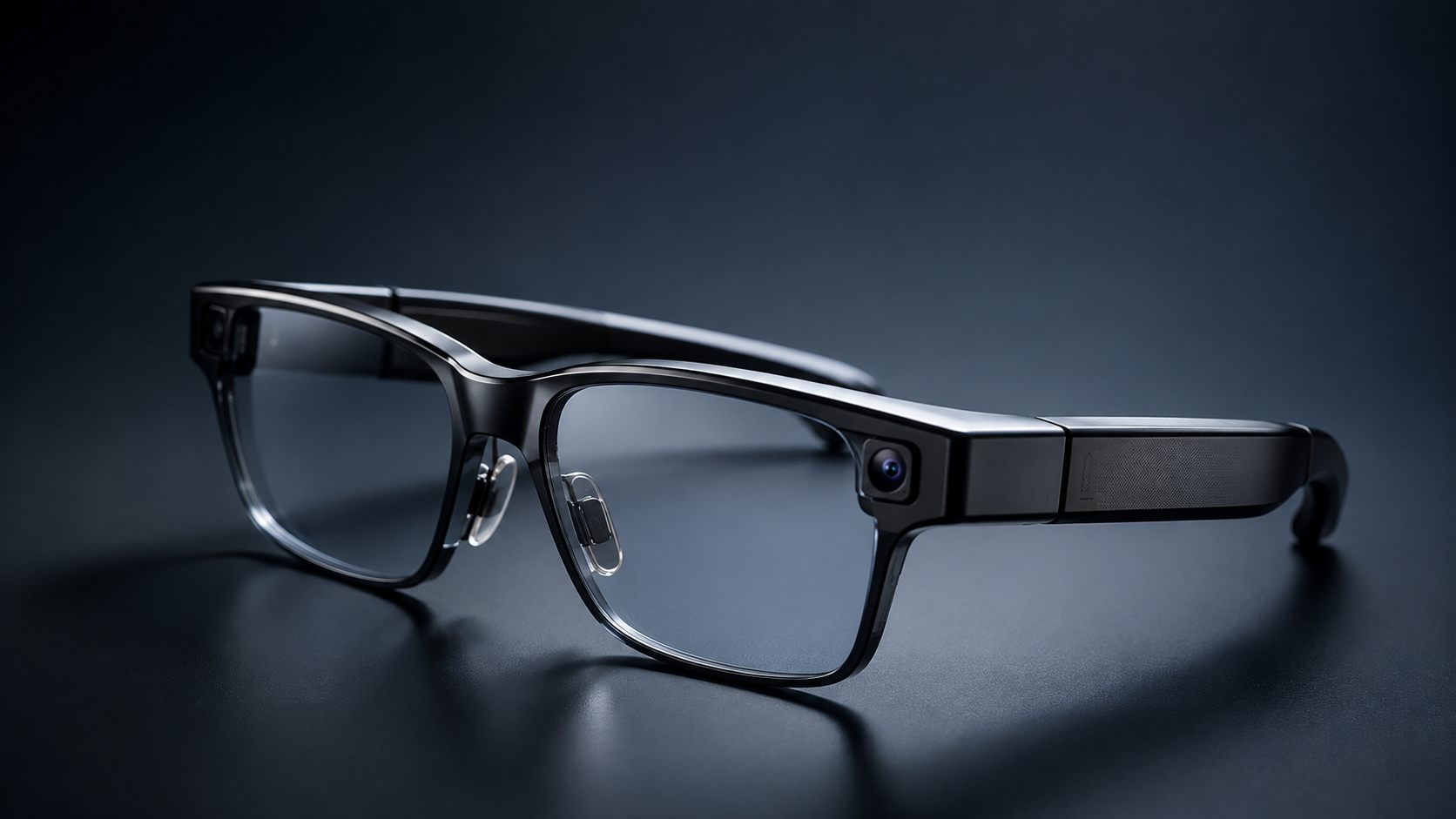
Create a photorealistic studio product photograph of a sleek pair of modern smart glasses resting on a dark matte surface. Soft directional key light from the upper left, a subtle reflective highlight along the frame, a gentle shadow beneath, and a clean gradient background fading from charcoal to deep blue. Premium commercial advertising look, sharp focus on the frames, shallow depth of field, 16:9 framing, 8K detail, no text or logos.
Why Fanch AI Is the Creation Layer
Muse AI is an impressive step for understanding the world through a camera. Fanch AI is where that class of visual awareness becomes finished output — a dedicated image model you direct with precise prompts, in a clean interface with nothing to configure. Muse AI tells you what's there; Fanch AI helps you make what isn't.
👉 Start here: GPT Image 2 on Fanch AI — create your own AI images now.