
MiniMax H3-Image Does 16MP in 10 Seconds. Its License Excludes the US and Europe.
MiniMax H3-Image arrived this week with open weights, native 16-megapixel output, and generation times around 10 seconds. On capability alone it belongs in the conversation with the best open image models available.
Then you read the licence. MiniMax H3-Image excludes Europe, the United States, the United Kingdom and South Korea from its permitted use.
That combination in MiniMax H3-Image — genuinely strong capability, distributed openly, legally unavailable across most of the developed market — is the most interesting thing to happen in open image models this year. Not because it is unusual to restrict a licence, but because it makes explicit a trend that has been quietly developing: the capability frontier and the legal frontier are moving in opposite directions.
What MiniMax H3-Image Actually Is
The confirmed characteristics, drawn from MiniMax's own research post and reporting across Japanese, Korean and Chinese tech outlets:
Open weights. You can download and run MiniMax H3-Image yourself, subject to the licence.
16-megapixel output from MiniMax H3-Image — 4K-class, generated natively rather than upscaled.
Around 10 seconds per image with MiniMax H3-Image, which reporting describes as several times faster than comparable models at that resolution.
Pricing around 50-70% of comparable tools where MiniMax H3-Image is offered as a service.
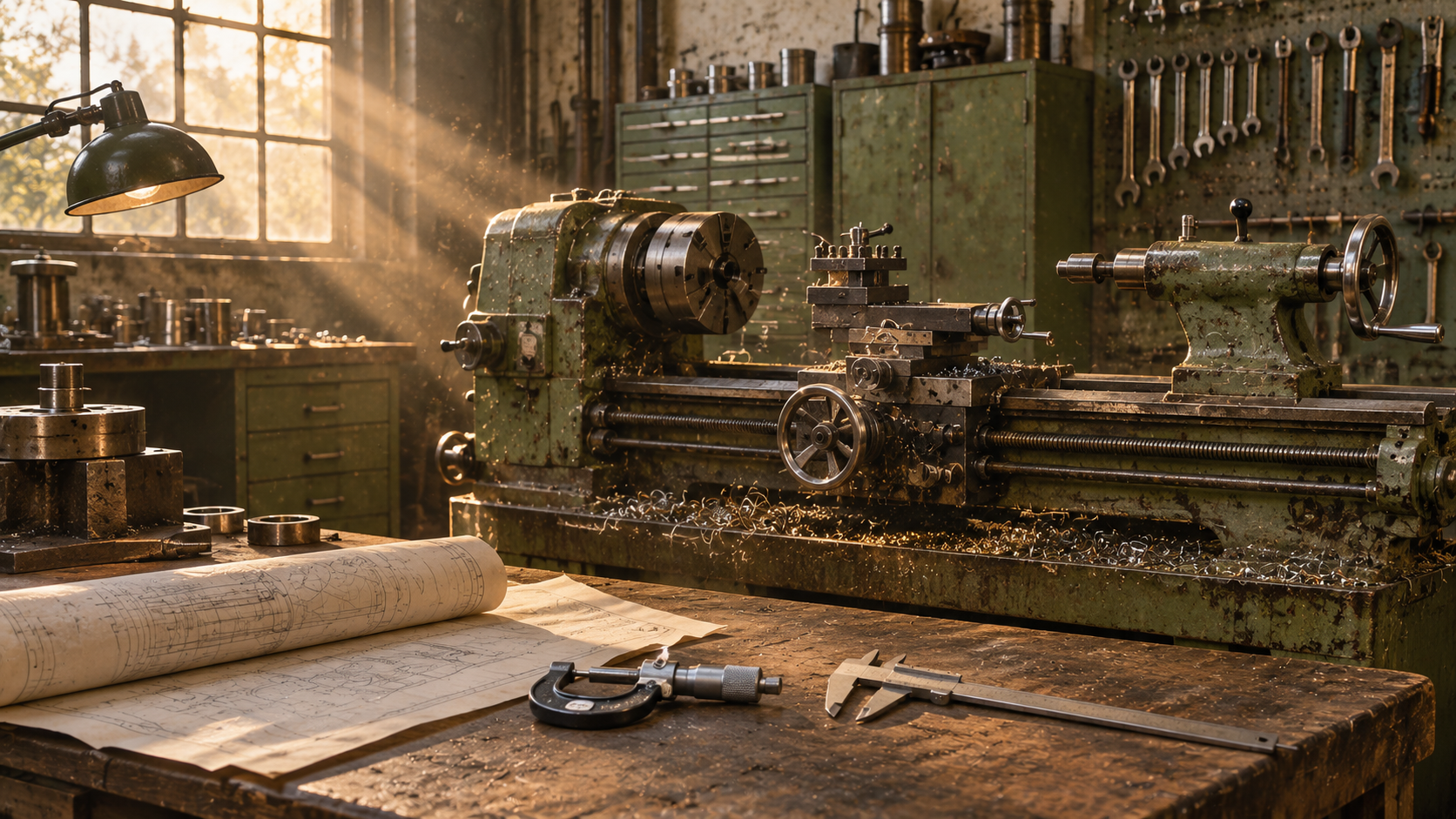
An unusual technical capability: hands-on coverage notes that MiniMax H3-Image can produce CAD-style drawings and mechanical exploded views — precise line work and part relationships, not just photorealism.
The specific parameter count of MiniMax H3-Image, the licence's exact name, and whether the model derives from MiniMax's H3 video work are details worth reading at the source rather than inferring.
Why 16 Megapixels Is a Different Category
Resolution numbers are usually marketing, but there is a real threshold in this one, and it is worth doing the arithmetic.
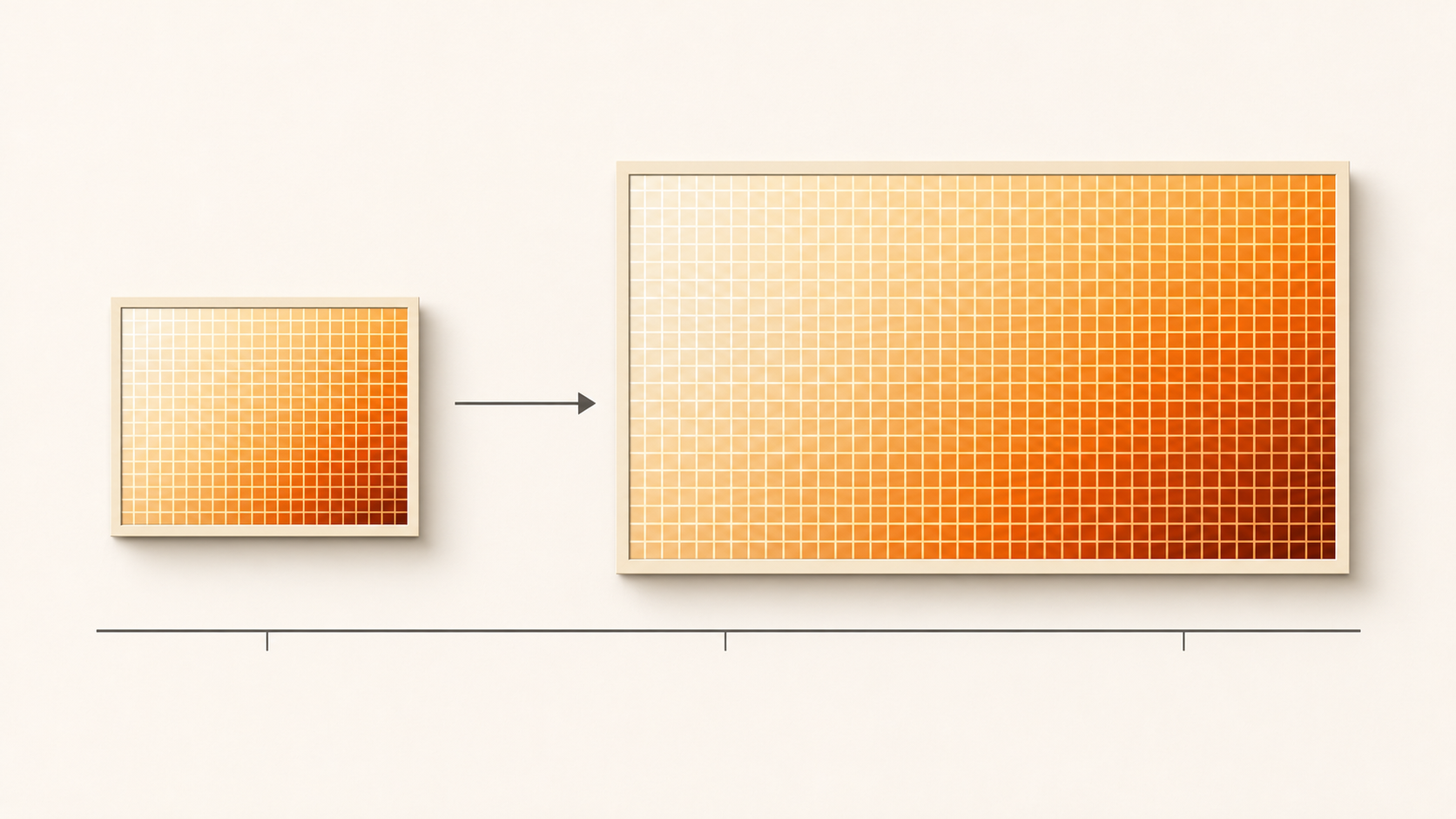
A 1024-pixel-square image is about 1 megapixel. At 300 dots per inch — the usual print standard — that prints roughly 8.7 cm square. A thumbnail, a business card, a phone screen. Nothing else.
A 16-megapixel MiniMax H3-Image output at the same 300 DPI prints around 35 cm square, which is A3 territory. Drop to 150 DPI, still perfectly acceptable for large-format viewing at distance, and MiniMax H3-Image output covers roughly A2.
That is the difference between a model that makes pictures for screens and a model that makes assets for print. Every upscale you do not have to run is time and fidelity you keep, and upscaling is where fine texture goes to die.
MiniMax H3-Image is not the first model to claim high resolution,, and "native" is a word worth testing rather than trusting. Generate one, open it at 100%, and look at the actual pixel detail rather than the file dimensions.
The CAD Capability Is the Sleeper
The most underreported detail is that MiniMax H3-Image can produce technical drawings — CAD-style output, mechanical structures shown in exploded view.
That matters because it is a different capability from photorealism, not a harder version of it. Photorealism rewards texture, light and plausible imperfection. Technical drawing rewards precision, consistent line weight, correct proportions and readable part relationships. These are close to opposite distributions of error: a photoreal model that hallucinates a bolt is fine, a technical model that hallucinates a bolt is useless.
If MiniMax H3-Image is genuinely competent at both halves, that is a broader capability claim than the megapixel number. It suggests training emphasis on structural and schematic imagery, which is exactly the gap most image models leave open for engineering, product documentation and manufacturing.
Whether MiniMax H3-Image holds up beyond the demo images is a question for anyone with a real part to draw.
The Licence Is the Real Story
Now the part that will decide whether any of the above matters to you.
Reporting confirms that MiniMax H3-Image's licence excludes Europe, the United States, the United Kingdom and South Korea. Not a revenue threshold, not a non-commercial restriction — a geographic one.
That is a striking choice, and it inverts the usual open-weights bargain. The conventional deal is: you get the weights, we get adoption and mindshare, and commercial users above a size threshold pay. MiniMax H3-Image instead says: take the weights, but not if you are in the market most able to build a business on them.
Two honest implications follow for anyone considering MiniMax H3-Image.
"Open weights" tells you about distribution, not about your rights. A model can be fully downloadable and still unusable by you. For MiniMax H3-Image, the licence is the operative document and the download link is not permission.
Geography now functions as a capability tier. MiniMax H3-Image is a powerful free tool in one country and a legal risk in another. Anyone planning tooling around MiniMax H3-Image should read the actual terms rather than the headline "open source".
Why Ship It At All
The obvious question: why release something openly if you exclude your most lucrative markets?
The coherent answer for MiniMax H3-Image is that openness and market access are separate strategies, and MiniMax H3-Image is optimizing for reach where it can get it — domestic adoption, markets without competing frontier models, developer mindshare that later converts to API usage. Restricting the licence in the US and Europe is not self-defeating in that frame. It is protecting the paid path in exactly the places where a paid path exists.
There is a second read, less flattering and worth holding: the geographic restriction may be driven by legal and corporate considerations as much as strategy. Either way, the practical result for a developer outside those regions is unusually good — a strong model, freely downloadable, with few strings.
Read the Numbers With Care
Four qualifications.
The MiniMax H3-Image speed claims are vendor claims. "Several times faster" needs a stated baseline, hardware and resolution. MiniMax H3-Image at 10 seconds on whose GPU, producing what?
The 50-70% price figure needs a comparator. Cheaper than what, measured how, at what quality? Price claims in this category are usually against the most expensive option available.
The MiniMax H3-Image 16MP output deserves a pixel-peeping test. Check whether detail is genuinely resolved or interpolated upward inside the model.
No independent benchmark exists yet. The CAD and mechanical claims especially want a third party with a fixed test set.
What It Means If You Can Use It
If you are outside the excluded regions, MiniMax H3-Image is one of the more interesting open releases of the quarter: print-scale output, fast, and a technical-drawing capability that most models lack entirely. It is worth downloading and testing against your own work this week.
If you are inside them, the useful lesson is structural. The open-weights era is not a single global commons — it is a patchwork, and MiniMax H3-Image is a clear example of a capable model whose terms are narrowly drawn. Build workflows that can swap the model out, because the next release may not be available where you are.
A Prompt to Try
The real test of a high-resolution model is fine detail at full scale, not a pretty thumbnail. Textures that break under downscaling are the honest measure.
Copy & Paste this into Fanch AI (Model: gpt_image_2):
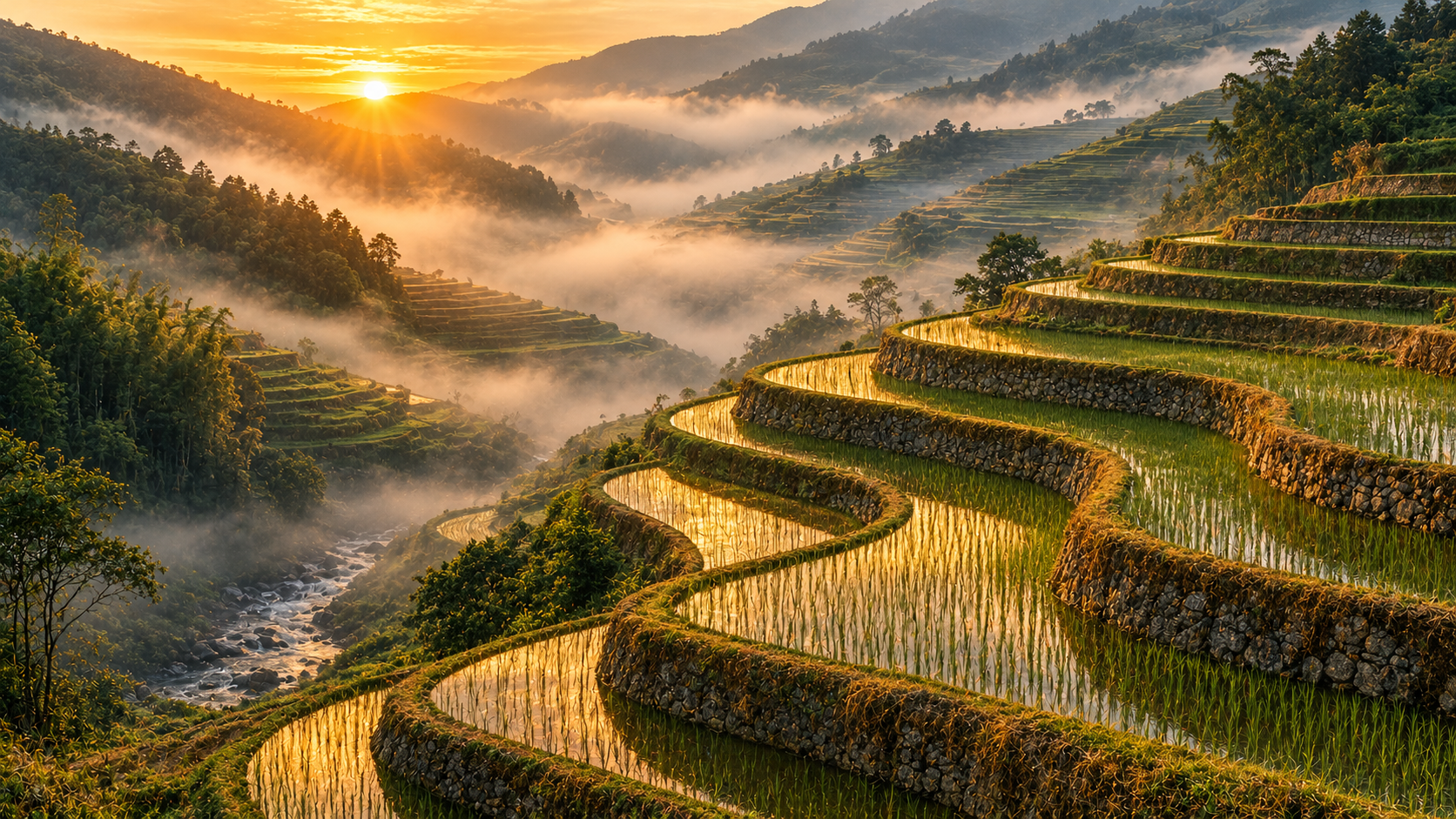
A wide overhead photograph of terraced hillsides at golden hour: curved stone-edged paddies stepping down a valley, thin mist pooling in the lowest terraces, warm light raking across the water held in each step, dry grass on the terrace walls. Fine detail in the wet stone edges, the individual rice stems and the mist texture, warm amber against deep green, deep atmospheric perspective, 16:9 framing, 8K detail, no people, no text overlay.
Generate that, then crop to 100% and look at the terrace edges. That is where resolution claims get decided.
Why Fanch AI Fits
MiniMax H3-Image shows the capability frontier moving fast and the legal frontier moving the other way. Which makes a portable workflow — one where the prompt does the work and the model is replaceable — more valuable than loyalty to any single release.
Fanch AI gives you an image model you direct with precise prompts, so you can keep the thing that actually transfers, your prompt craft and your reference frames, independent of which model is available to you this month.