
MiniMax H3 Max Is #1 in Image-to-Video | Fanch AI
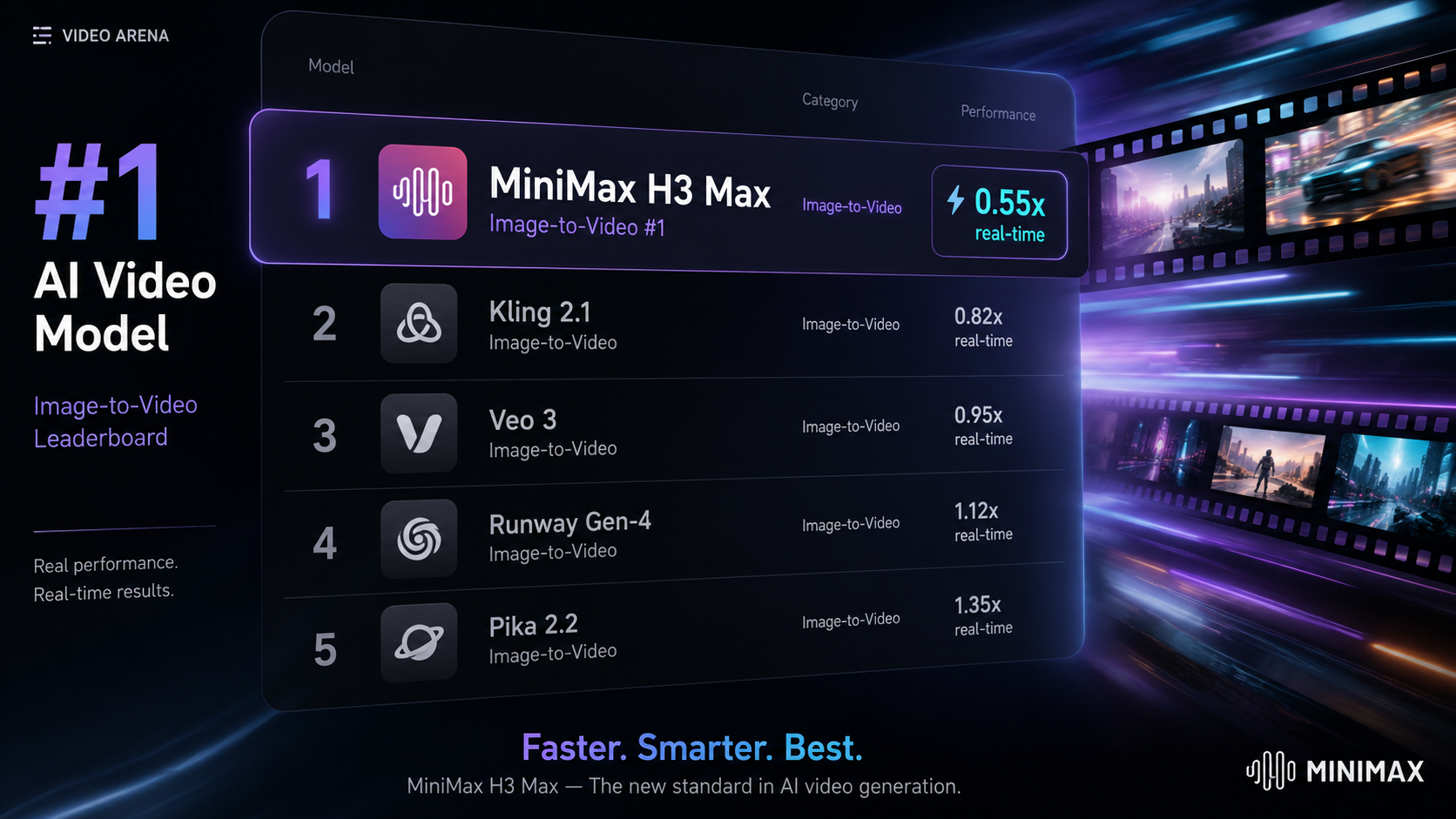
The MiniMax video family just got its sequel — and it's already at the top of the leaderboards. MiniMax H3 Max, the post-trained upgrade to the MiniMax H3 model we covered last month, has reached No. 1 in image-to-video on Artificial Analysis' leaderboards, with near-real-time generation speed that changes how creators work. The news arrives as the open-source H3 family passes 24 million downloads in just three weeks. Here's what MiniMax H3 Max brings, what it gives up, and how the MiniMax family fits the AI video race.
MiniMax H3 Max is a derivative of MiniMax H3 — same family tree, but post-trained for sharper results. On Artificial Analysis, MiniMax H3 Max sits at #1 in image-to-video (Elo 1,204) and #3 in text-to-video with audio (Elo 1,235), ahead of its own parent model. Both generate native stereo audio and 5-15 second clips — but the Max version adds something the base model never promised: speed.
1. The Real-Time Breakthrough
The headline feature of MiniMax H3 Max is its generation speed. Vendor-reported figures show a 5-second clip rendering in about 2.77 seconds of inference — roughly 0.55x real-time. That's the difference between queuing a clip and waiting, and actually iterating.
Sub-real-time generation changes the workflow shape: instead of typing a prompt and waiting minutes for a result, you can generate, judge, and regenerate inside a loop — the same iteration rhythm you'd have in a traditional creative tool. That matters for interactive previews, agent-driven video pipelines, and any workflow where speed is the bottleneck.
MiniMax H3 Max launched with a 768p focus and a 50% launch discount ($2.40 per minute, rising to $4.80 after September 1) — an aggressive price for an image-to-video leader.
2. What MiniMax H3 Max Gives Up
For all its speed, MiniMax H3 Max makes two deliberate trade-offs:
No 2K output. MiniMax H3 Max is capped at 768p. The base MiniMax H3 can reach 2K through its hosted API — the Max version trades resolution for speed.
No open weights. The base MiniMax H3 ships downloadable open weights; MiniMax H3 Max does not. For developers who need self-hosting, the base model remains the option — and the open-source momentum is real: the H3 family passed 24 million downloads in three weeks.
The result is a clear split: MiniMax H3 Max for speed and leaderboard quality at 768p, base MiniMax H3 for 2K and open weights.
3. What It Means for the AI Video Race
The MiniMax H3 Max launch is another data point in the story we've tracked all month: Chinese AI video companies are setting the pace. Kling's revenue is up 200%, Seedance has Hollywood's first copyright deal, and now MiniMax H3 Max tops image-to-video charts with near-real-time generation.
The pattern is consistent — price aggressively, ship open weights, iterate fast. MiniMax H3 Max proves the strategy works at the model level: in one month, the H3 family went from release to 24 million downloads to the top of a major leaderboard. That's the same iteration speed that made Sora's slow, closed approach look outdated before OpenAI pulled the plug.
For creators, the takeaway is practical: near-real-time AI video generation is no longer a demo, it's a shipping product — and the quality bar keeps rising at every price point.
4. Try the MiniMax Family on Fanch AI
You don't need to run open weights or manage a GPU to use MiniMax-class AI video. Fanch AI offers Hailuo 2.3, MiniMax's advanced video model — the same family of technology behind the MiniMax H3 releases, ready in your browser. These prompts are built for fast, cinematic iteration:
Prompt 1 — Neon city flythrough:
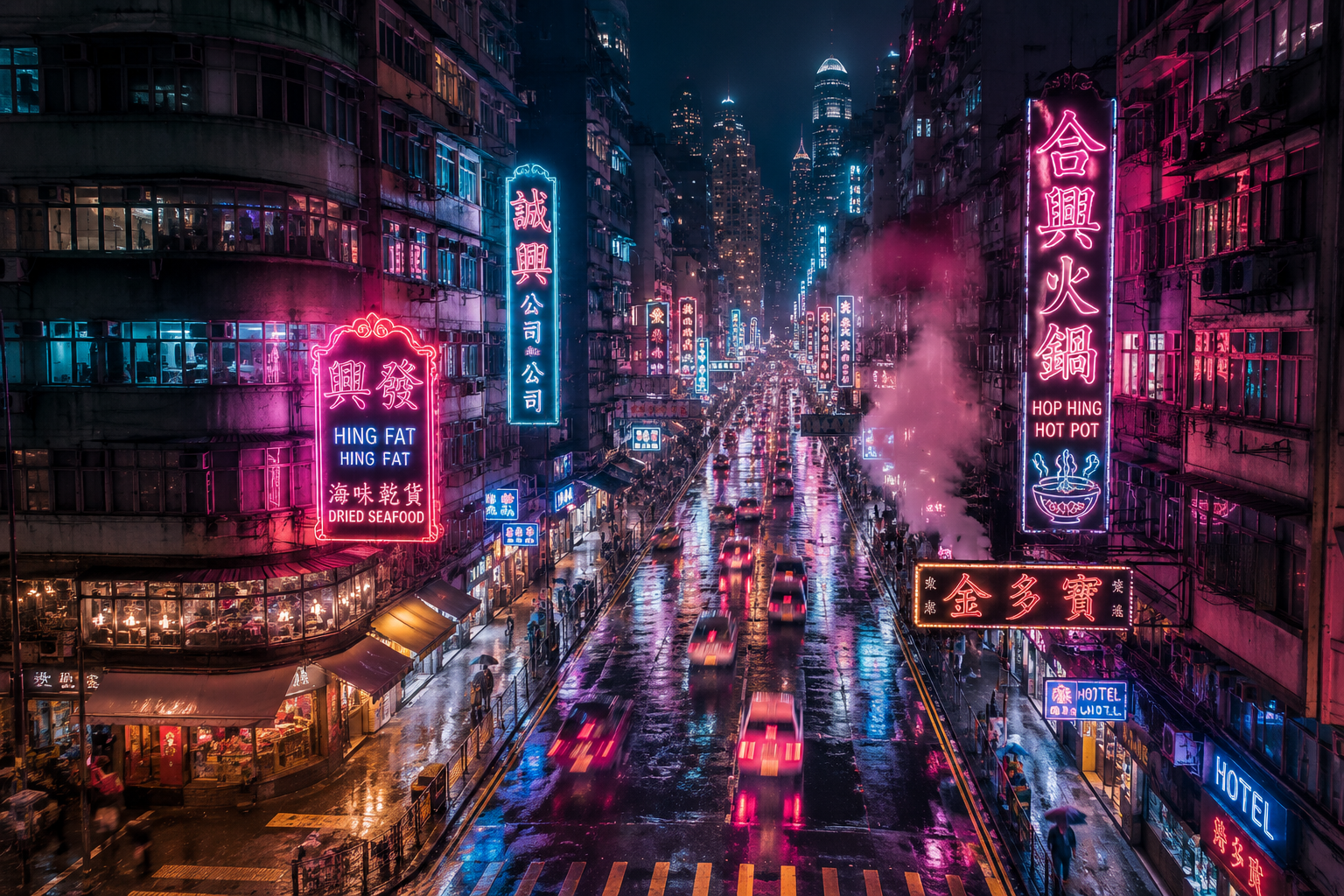
Slow aerial drone shot through a neon-lit Hong Kong street at night, pink and cyan signs reflecting on wet asphalt, steam rising from vents, cars streaking light trails, cinematic color grade, smooth continuous camera motion, photorealistic, atmospheric depth.
Prompt 2 — Product commercial loop:
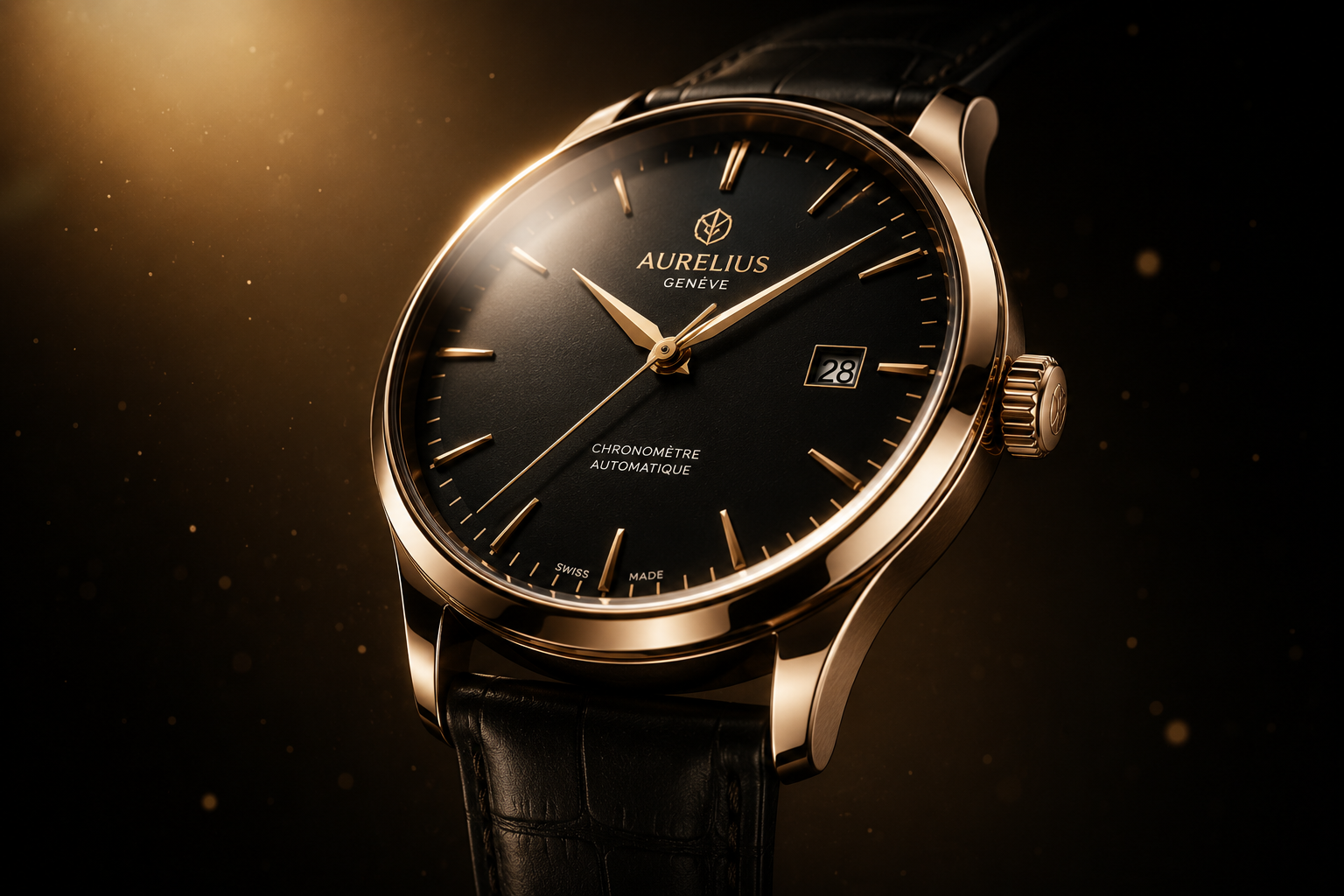
Seamless looping product commercial for a luxury watch: macro shot of the watch face rotating slowly under a single warm spotlight, reflections gliding across the sapphire crystal, dark elegant backdrop with floating dust particles, premium advertising cinematography.
Prompt 3 — Character walk with mood:
Cinematic tracking shot of a woman with an umbrella walking through misty autumn park at dawn, falling leaves swirling around her, soft backlight through the fog, slow steady camera follow, natural color grade, emotional atmosphere, photorealistic.
Prompt 4 — Ocean macro:
Extreme close-up of water droplets beading and sliding across a dark green leaf after rain, macro focus, sunlight catching each droplet, slow-motion feel, lush color, photorealistic nature cinematography.
Prompt 5 — Action loop:
Short action loop of a skateboarder performing a kickflip at golden hour on a rooftop, camera orbiting slowly, dust and light flares, dynamic framing, smooth repeatable loop, cinematic color grade, photorealistic.
Every prompt targets the short, fast-iterating clips that MiniMax H3 Max-style workflows are built for — and each runs on Fanch AI right now with Hailuo 2.3 and the rest of our video model lineup.
5. Start Creating with Hailuo 2.3 on Fanch AI
MiniMax H3 Max shows where AI video is heading: faster generation, sharper rankings, and open-source momentum. On Fanch AI, the MiniMax family's advanced model — Hailuo 2.3 — is ready to use today, no weights to download, no GPU to rent.
👉 Start here: Hailuo 2.3 on Fanch AI