
Google Earth Pulled Its Nano Banana AI Tool — Here Are 5 Better Uses on Fanch AI | Fanch AI

Google Earth launched a Nano Banana AI image generation feature this week — and removed it within a day after users generated fake satellite images of disasters and military activity. The Nano Banana controversy shows exactly what happens when a powerful image model is placed in the wrong context.
The Nano Banana model itself isn't the problem. The same Nano Banana technology that created those controversial satellite images is excellent at legitimate creative work — realistic portraits, product shots, food photography, and artistic scenes. On Fanch AI, Nano Banana and Nano Banana 2 are available for exactly these use cases.
Here are 5 Nano Banana prompts for creative work on Fanch AI.
1. Photorealistic Portrait
The Nano Banana model excels at natural portraits, as TechRadar's comparison confirmed:
Photorealistic portrait of a woman in her 30s with freckles, natural red hair, wearing a cream linen shirt, standing in soft morning light near a window, warm natural shadows, authentic skin texture, 85mm portrait lens, shallow depth of field, natural color grading, no AI smoothness, genuine human features, photorealistic quality, 16:9 aspect ratio, --ar 16:9.
This Nano Banana prompt produces the natural skin texture that made the model famous. The Nano Banana portrait style is perfect for profile pictures and editorial work.
2. Professional Product Shot
Nano Banana handles commercial product photography exceptionally well:
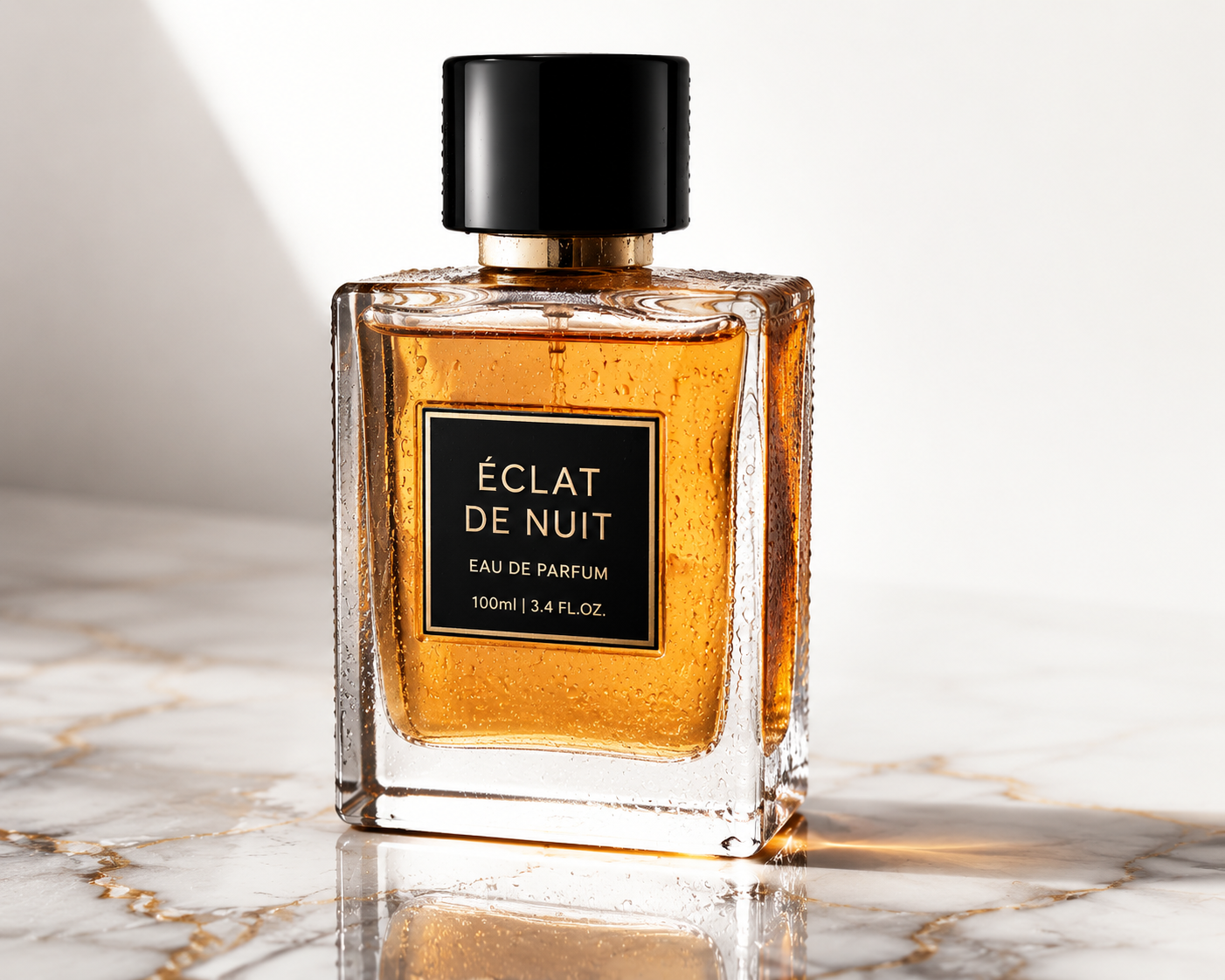
Professional product photograph of a glass perfume bottle with amber liquid, placed on a polished marble surface, soft studio lighting from the left, reflection on the glass surface, condensation droplets visible, sharp focus on the label text, clean white background, commercial photography quality, photorealistic textures on glass and metal, e-commerce ready.
The Nano Banana product photography output is clean enough for Amazon and Shopify listings. This Nano Banana use case is one of the most practical for small businesses.
3. Appetizing Food Photography
Food photography is another Nano Banana strength:
Top-down flat lay photograph of a colorful acai bowl on a wooden table, fresh berries arranged in a gradient pattern, granola sprinkle, banana slices, coconut flakes, honey drizzle catching the light, natural morning sunlight, bright fresh mood, appetizing colors, shallow depth of field, food blog styling.
The Nano Banana model captures appetizing textures and colors naturally. This Nano Banana prompt works for menus, blogs, and delivery apps. Add a specific dish name and garnish details to customize the Nano Banana food output for any restaurant or food brand.
4. Artistic Landscape (Not Satellite)
The Nano Banana landscape capability is better used for art than for geospatial imagery:
Artistic landscape painting of a mountain lake at sunrise, pink and orange clouds reflecting on still water, pine trees framing the foreground, soft morning mist, painterly brush strokes, warm and serene atmosphere, gallery-quality landscape art, rich color gradients, peaceful composition, high detail in the mountain texture.
This Nano Banana prompt uses the model's landscape strength for legitimate artistic creation — the kind of work that Google Earth's satellite feature should never have been used for.
5. Creative Character Illustration
Nano Banana also handles stylized creative work:
Friendly cartoon illustration of a cute robot gardener tending colorful flowers in a sunny backyard, soft rounded shapes, bright cheerful colors, gentle expressions, storybook art style, clean composition, warm lighting, child-friendly design, heartwarming mood, high-quality digital illustration.
The Nano Banana creative character style is great for children's content, branding, and social media graphics.
What Google Earth Got Wrong
The Google Earth Nano Banana feature failed because it placed an unrestricted image generator in a context where realism equals credibility. Users generated convincing fake satellite images of natural disasters and military sites — content that could easily spread as misinformation.
The Nano Banana technology itself wasn't at fault. The model is incredibly good at creating realistic images, which is exactly why it should be used in creative workflows where the output is understood to be AI-generated. On Fanch AI, Nano Banana prompts are designed for legitimate artistic and commercial projects, with no geospatial context that could be mistaken for real satellite data.
Try Nano Banana on Fanch AI
Ready to use Nano Banana for legitimate creative work? Use Nano Banana 2 or Nano Banana Pro on Fanch AI — the same Nano Banana technology, built for portraits, products, food, art, and creative projects, not for fake satellite images.