
Nikon Disqualified a Winner for Using Generative AI
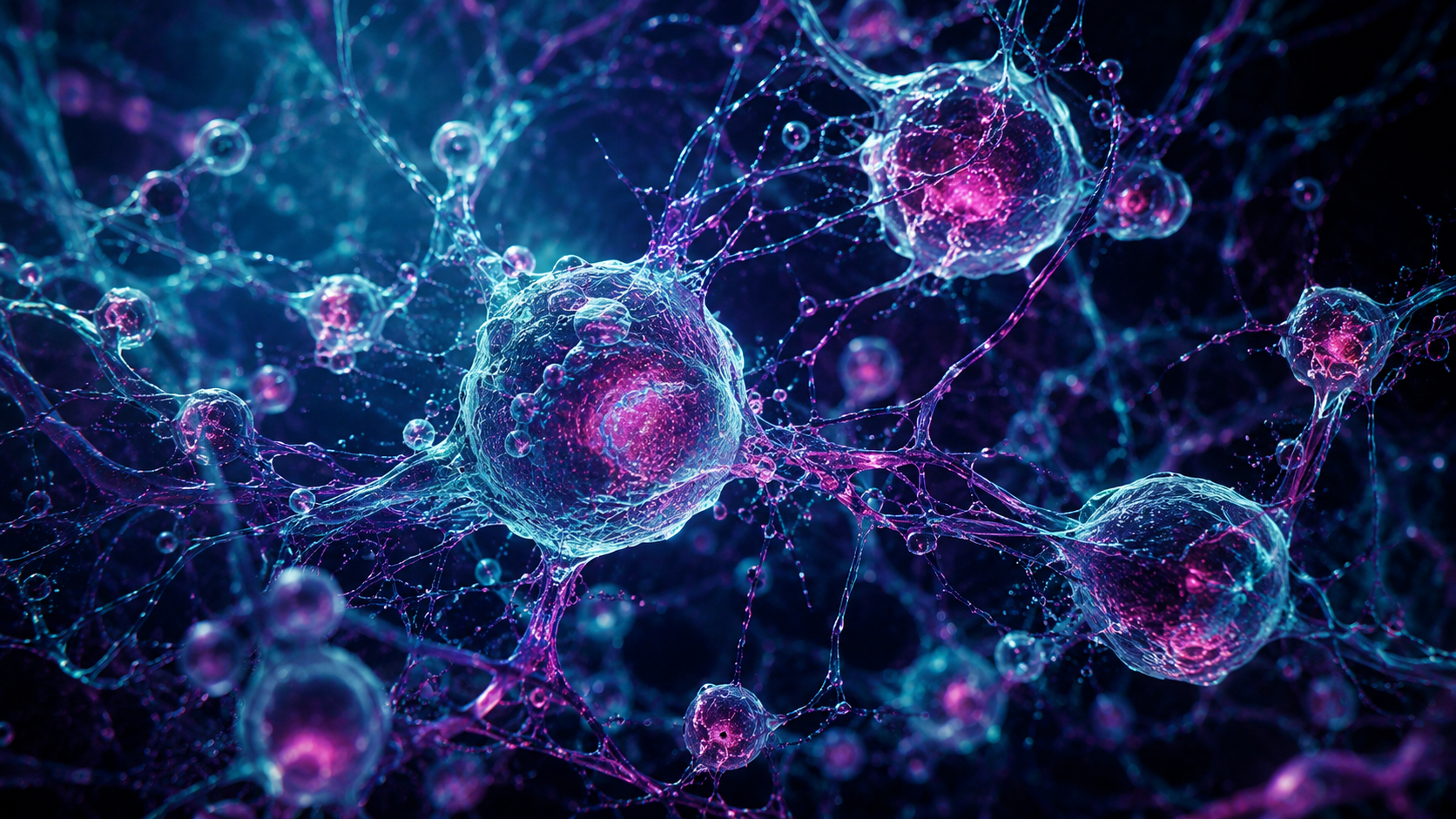
A first-place finish in one of the most respected microscopy competitions in the world has been revoked — because the winning video involved generative AI. Nikon Instruments disqualified the entry from Small World in Motion on October 9, after scientists publicly questioned whether the footage was biologically plausible. It's the highest-profile generative AI disqualification yet.
The case is a clean example of a problem every visual field is now facing: when generative AI can enhance, invent, and interpolate, what counts as a real image? This is the first high-profile disqualification of its kind, and generative AI is the reason.
What Happened, Step by Step
The timeline matters, because this was not a snap decision — and it shows how slowly generative AI disputes resolve:
- September 15 — A video showing the movement of cilia, the hair-like structures in the lungs, is awarded first place in Nikon's Small World in Motion competition.
- Within days — Scientists flag on LinkedIn that some features in the video look biologically implausible.
- The entrant responds — Ning Xu, an optical engineer at the National University of Singapore, writes on LinkedIn that his team used an AI model in post-processing to enhance the visual presentation of regions below the cilia, adding that they made no anatomical claims about those rendered features. Those posts have since been removed.
- September 25 — A Nikon Small World spokesperson tells Nature the company is investigating.
- October 9 — Nikon Instruments announces the video did not comply with competition rules.
Nikon's statement was careful: the decision was based solely on the video's eligibility under the rules, and "should not be interpreted as a judgment of the entrant's professional reputation, scientific contributions, or intent."
The Rule Was Never Ambiguous
Here's the part that got lost in the debate. The competition website states plainly that AI-generated videos are not permitted. So the question was never whether generative AI was allowed — it wasn't. The generative AI ban was on the books the whole time.
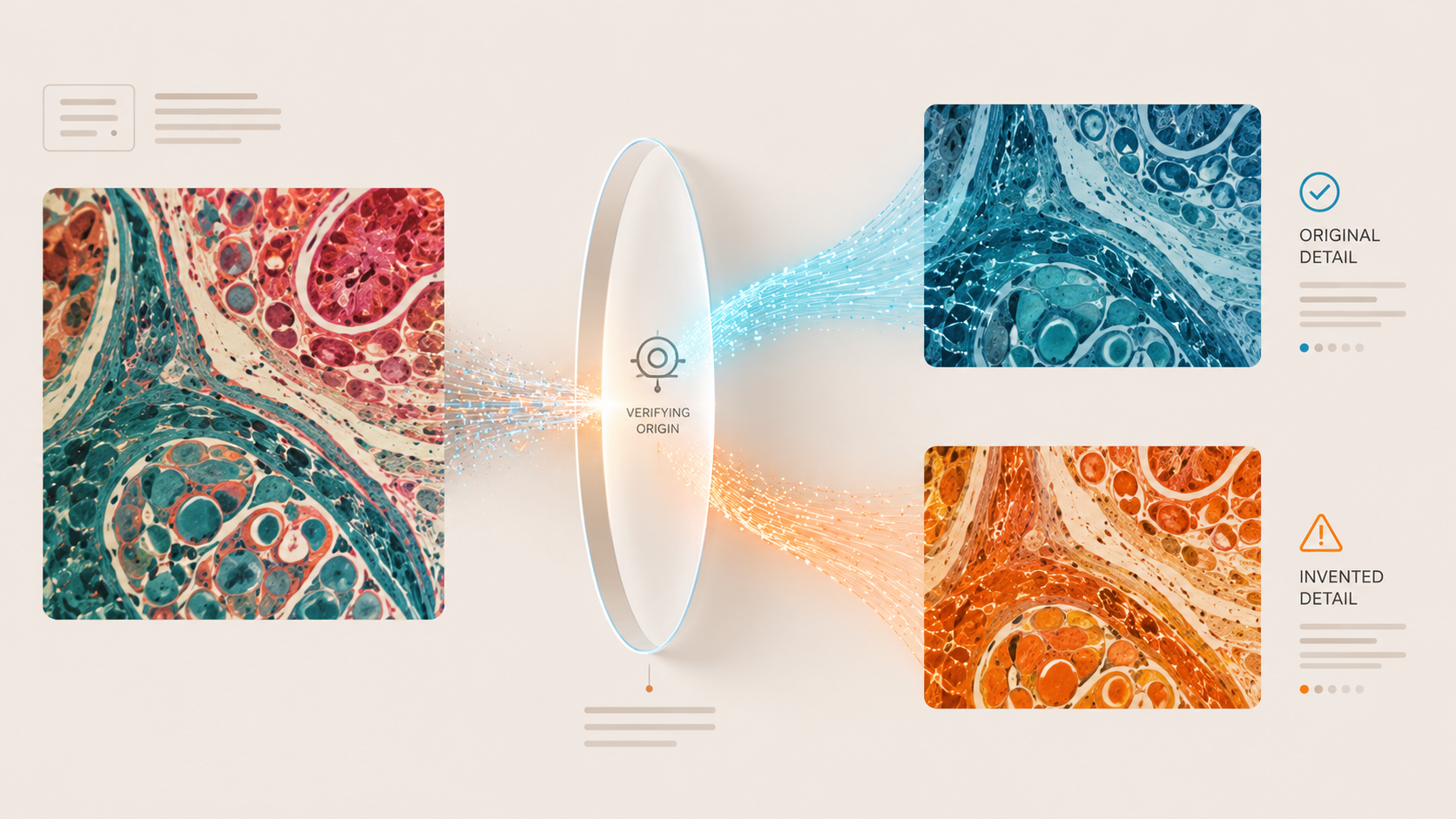
The harder question is what "AI-generated" covers. The entrant described his use as generative AI enhancement in post-processing, not wholesale synthesis. That's a real distinction in principle: sharpening a microscope video is routine, while inventing plausible-looking structures that were never observed is not.
In practice, the line is blurry — and it's blurry precisely because modern generative AI models are good at filling in detail that looks like it was always there. That's what makes generative AI so useful for cleanup and so dangerous for evidence.
Why This Resonates Beyond One Competition
Strip away the specifics and you get the defining tension of visual media in 2026: generative AI has made it trivial to produce imagery that is nearly indistinguishable from a recording, and institutions are still writing the rules. Every generative AI advance tightens that tension.
Science competitions feel the pressure first because their entire premise is that an image is evidence. If generative AI can add structures that were never there, the image stops being data. Photography awards, newsrooms, and stock platforms are all working through the same problem — every one of them is now a generative AI policy question.
The practical outcome is a growing reliance on provenance — watermarks, content credentials, signed capture metadata. Research published this month found that generative AI image watermarks can survive retraining, though durability varies by design. That's the technical half of the answer; the rules are the other half.
Nikon Is Revisiting Its Rules
According to The Verge, Nikon says it is revisiting its competition rules. That's the right instinct. "AI-generated videos are not permitted" is clear at the extremes and fuzzy in the middle, and the middle is where nearly all real submissions now live.
Expect more competitions to move toward explicit disclosure tiers: no AI, AI for cleanup only, AI for generative AI enhancement, and fully synthetic. Vague bans invite exactly this kind of dispute, and vague generative AI rules are worse than none.
What It Means for Creators
Three lessons carry over to any visual work, not just microscopy — and all three are about how you handle generative AI:
- Disclose, don't disguise — the reputational damage came from ambiguity, not from using generative AI itself.
- Know the venue's rules — a technique that's fine in advertising can be disqualifying in a science or photojournalism contest.
- Enhancement has a ceiling — cleaning up an image is different from generative AI inventing content and presenting it as captured.
- Provenance is becoming infrastructure — expect generative AI disclosure to be a standard field, not an optional note.
The encouraging flip side: none of this argues against generative AI as a creative tool. It argues against passing generative AI output off as something it isn't. Used openly, generative AI has nothing to hide.
A Prompt to Try Today
When AI is the point rather than a secret, you can be as ambitious as you like. That's the healthy version of generative AI — no ambiguity, no revoked prizes. Try this on Fanch AI:
Copy & Paste this into Fanch AI (Model: gpt_image_2):
Create an artistic, abstract scientific visualization inspired by microscopy: luminous teal and magenta cellular structures with delicate branching filaments, glowing spheres, and soft depth of field, floating against a deep indigo background. Beautiful and clearly artistic rather than a literal scientific record, dramatic lighting, extreme fine detail, 16:9 framing, 8K, no text.
Why Fanch AI Is Where AI Creation Belongs
Generative AI is a creative medium, and Fanch AI treats it that way — a dedicated image model you direct with precise prompts to make striking visuals on purpose. The Nikon case isn't an argument against generative AI; it's an argument for being honest about when you used it. Pitch generative AI as the art form it is, and there's nothing to disqualify.
👉 Start here: GPT Image 2 on Fanch AI — create openly with generative AI.