
4 Viral AI Photo Editing Trends Taking Over Social Media in 2026 (With Prompts)
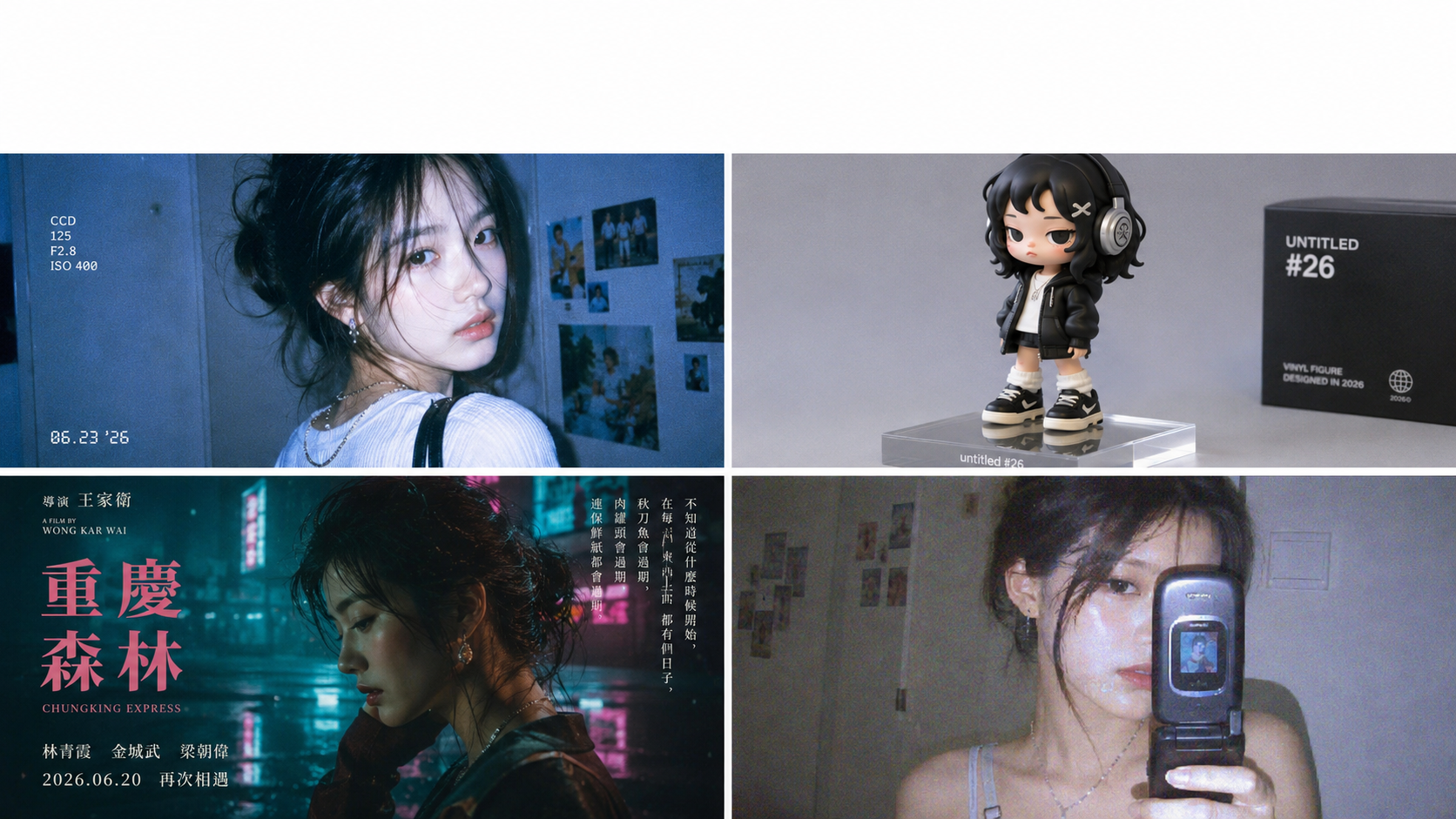
AI photo editing has entered a completely new era. Over-filtered selfies and plastic-looking AI portraits are fading fast — replaced by something weirder, more emotional, and deeply personal. The biggest AI photo editing trends of 2026 aren't about making photos look technically perfect. They're about telling stories through deliberate imperfection. These AI photo editing trends represent the most significant shift in visual culture since Instagram filters first launched.
Creators on TikTok, Instagram, and Pinterest are flocking to GPT Image 2, Google Gemini, and Meta AI to chase nostalgia, cinematic drama, and toy-like whimsy. What's driving these AI photo editing trends? A hunger for authenticity — the kind that feels accidental, human, and unrepeatable. Polished AI output has become so easy to generate that the premium asset is now genuine personality. These AI photo editing trends reflect a broader cultural shift — away from filters and toward feeling.
We analyzed four of the most explosive AI photo editing trends sweeping social media right now. Each one can be recreated with the GPT Image 2 photo editing capabilities on Fanch AI. We remixed the original viral prompts for Fanch's model — copy, paste, and start creating.
1. The CCD Digital Camera Film Look
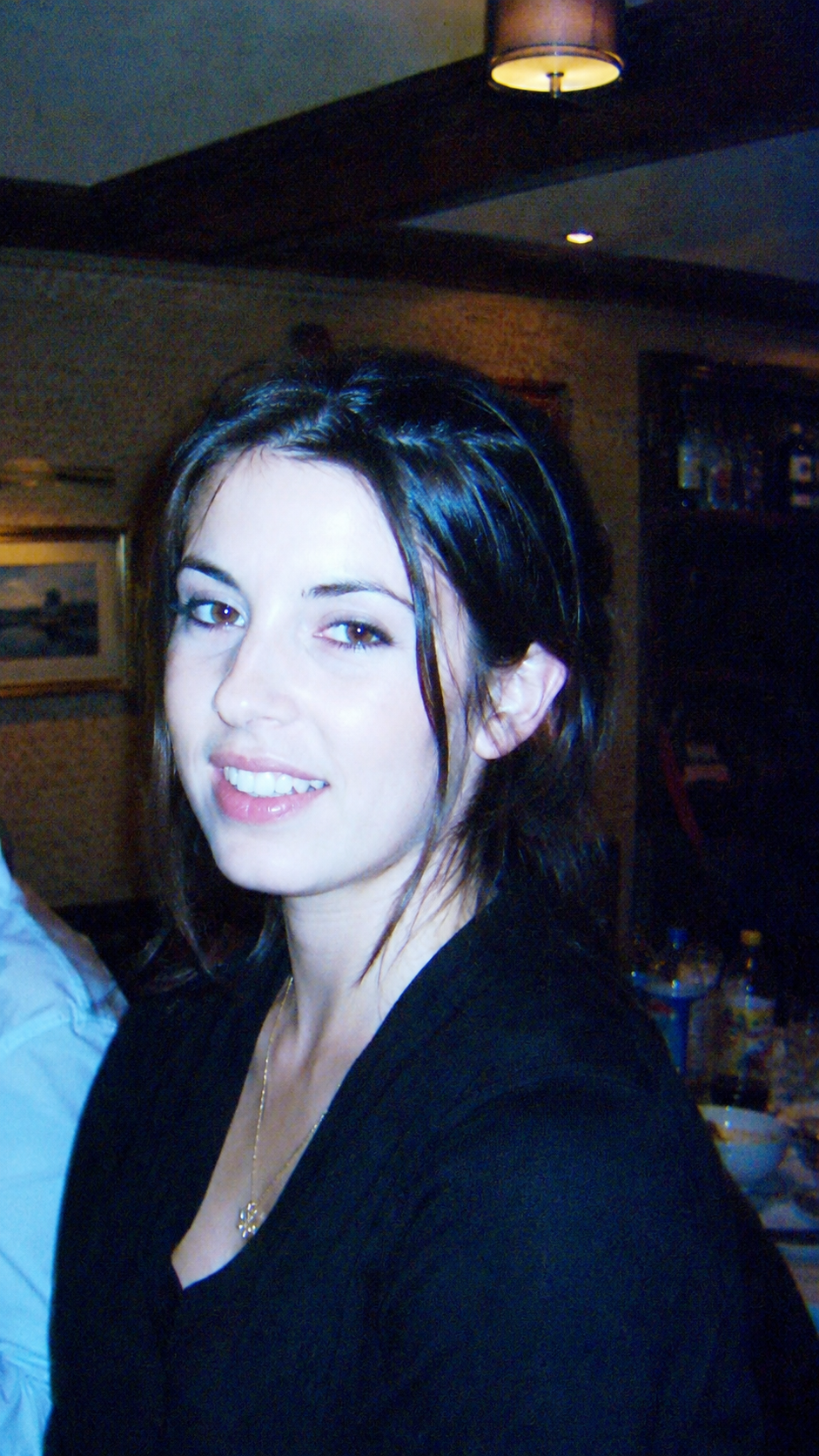
Gen Z creators are leading a rebellion against the polished influencer aesthetic, and the numbers back it up. One of the biggest AI photo editing trends this year is intentionally degrading photos to look like they came from a cheap early-2000s digital point-and-shoot. The CCD sensor look — with its blown-out highlights, color shifts, and low-light noise — has become the anti-filter filter.
Instead of chasing 4K sharpness, this AI photo editing trend embraces chromatic aberration, grain, and that distinctive cool-blue flash cast of early compact cameras. The result isn't a bad photo — it's one that feels like a real memory. A photo you forgot you took at a party in 2008, not one you carefully composed and airbrushed.
This viral AI photo trend dominates Instagram carousels and TikTok slideshows because it taps into a specific truth: the photos we actually grew up with weren't shot on cinema cameras. They were blurry, overexposed, and perfect specifically because of their flaws. These AI photo editing trends aren't about nostalgia as an aesthetic choice — they're about nostalgia as emotional texture. Every new AI photo editing trend in this category borrows from the same insight: imperfection is the ultimate differentiator.
Copy the AI Art Prompt:
Transform this portrait into a 2008 digital point-and-shoot snapshot. Add CCD sensor color shifts with slightly blown-out highlights, subtle chromatic aberration along the image edges, low-light digital noise that clusters in the shadows, and the distinctive cool-blue flash cast of early compact cameras. Make it feel like an unposed moment someone accidentally caught — imperfect lighting, a half-formed expression, and all the warmth of a photo you didn't know was being taken.
2. Designer Toy Avatars and Blind-Box Figures
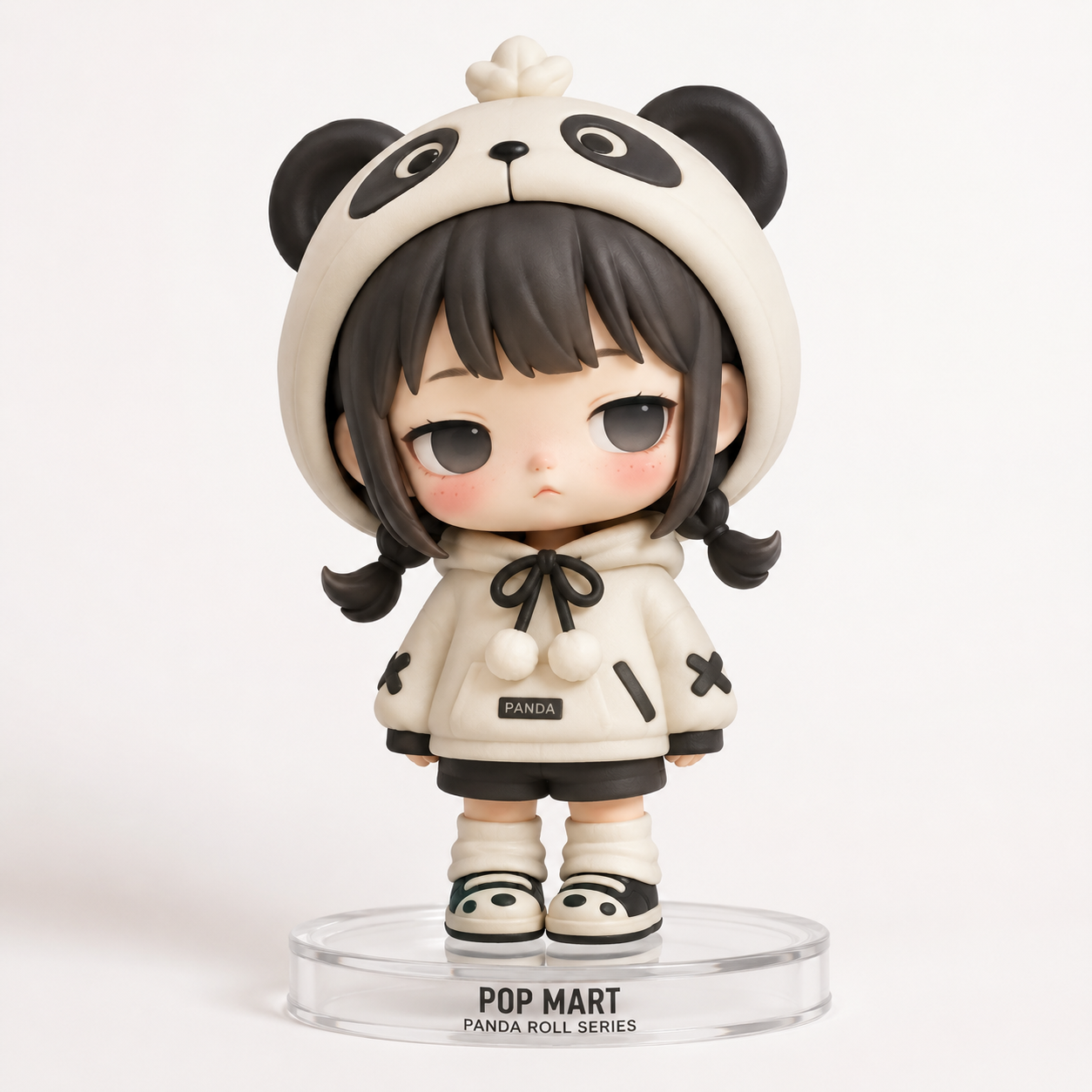
Toyification has become one of the most shared AI photo editing trends of 2026. Creators are turning themselves into collectible designer figures — the kind you'd unbox from a POP MART blind box or discover in a Japanese vinyl toy gallery. It's playful, weirdly intimate, and engineered for the share button.
Unlike the hyper-glossy action figure edits that dominated late 2025, this year's AI photo editing trends favor matte-soft finishes with delicate hand-painted blush details and oversized 3:1 head-to-body proportions. The goal is to look like a genuine art toy, not a Photoshop filter. Acrylic display stands, subtle manufacturing seams, and gallery lighting complete the illusion — and these AI photo editing trends keep evolving as more creators push the toy aesthetic further from simple cartoon filters.
TikTok and Pinterest feeds are flooded with these GPT Image 2 photo editing creations. The appeal is universal — everyone gets to be the main character in their own collectible series. These viral AI photo trends tap into the same impulse as dressing up an avatar, but the result is something you'd actually want on your shelf.
Copy the AI Art Prompt:
Turn the person into a Japanese blind-box vinyl figure with a matte-soft finish, oversized head-to-body proportions at a 3:1 ratio, rounded facial features with gentle contours, delicate hand-painted blush details across the cheeks, and a clear acrylic display stand beneath. Style it like a POP MART designer toy series — gentle diffused studio lighting, clean white gallery backdrop, and subtle manufacturing seams along the sides to sell the vinyl figure illusion.
3. Hong Kong Cinema Movie Posters
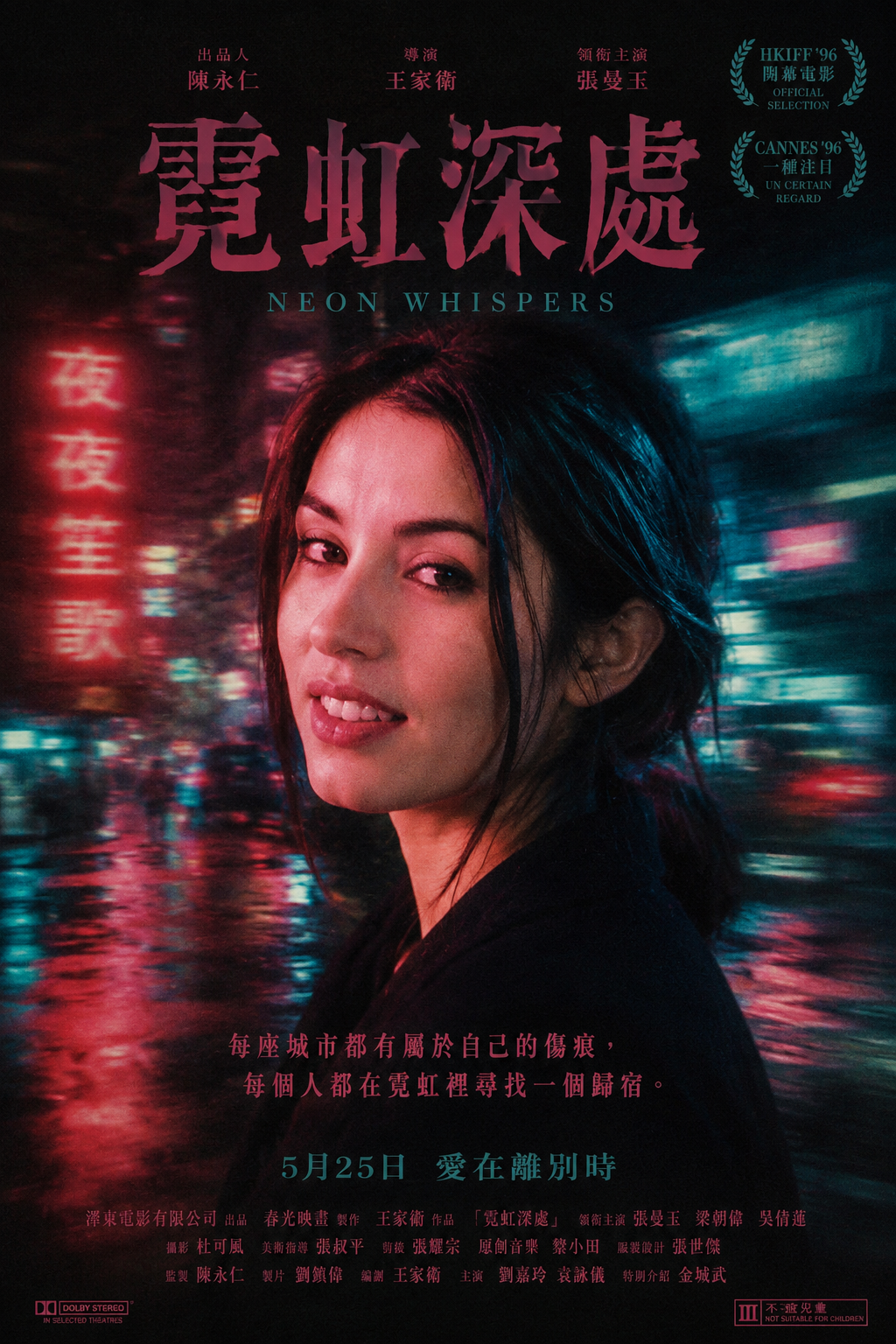
AI-generated movie posters have exploded as one of the most creative AI photo editing trends this year. But while most creators default to the A24 indie-drama template — moody lighting, critic quotes, minimalist serif fonts — the standout entries are pulling from a richer visual tradition: Hong Kong cinema's neon-drenched, rain-soaked aesthetic.
Using GPT Image 2, you can transform any portrait into a moody HK film poster. Teal-and-magenta color grading, classic Chinese title typography with English subtitles beneath, and the signature slow-shutter blur of Wong Kar-wai's cinematography — all achievable through a single AI image prompt. The result feels less like a filter and more like a theatrical one-sheet from a Mongkok cinema — which is precisely what makes these AI photo editing trends stand out from generic poster generators.
Small creators are using these AI photo editing trends for event covers, music release artwork, profile banners, and actual short film posters. A well-executed fake movie poster looks more professional than most real ones — and that's exactly why this AI photo editing trend keeps gaining momentum. Drop in a two-line poetic tagline and a few festival laurel wreaths, and your selfie has a premiere date.
Copy the AI Art Prompt:
Design a moody Hong Kong cinema poster using this portrait. Use neon-drenched teal and magenta color grading pulled from 1990s HK cinematography, classic Chinese title typography with English subtitle text below, visible grain texture from 35mm film stock, and the signature slow-shutter motion blur of Wong Kar-wai's night scenes. Add a poetic two-line tagline in the lower third that suggests longing, rain-slicked streets, and neon reflections. Include fake film festival laurel wreaths in the top corner to complete the theatrical release aesthetic.
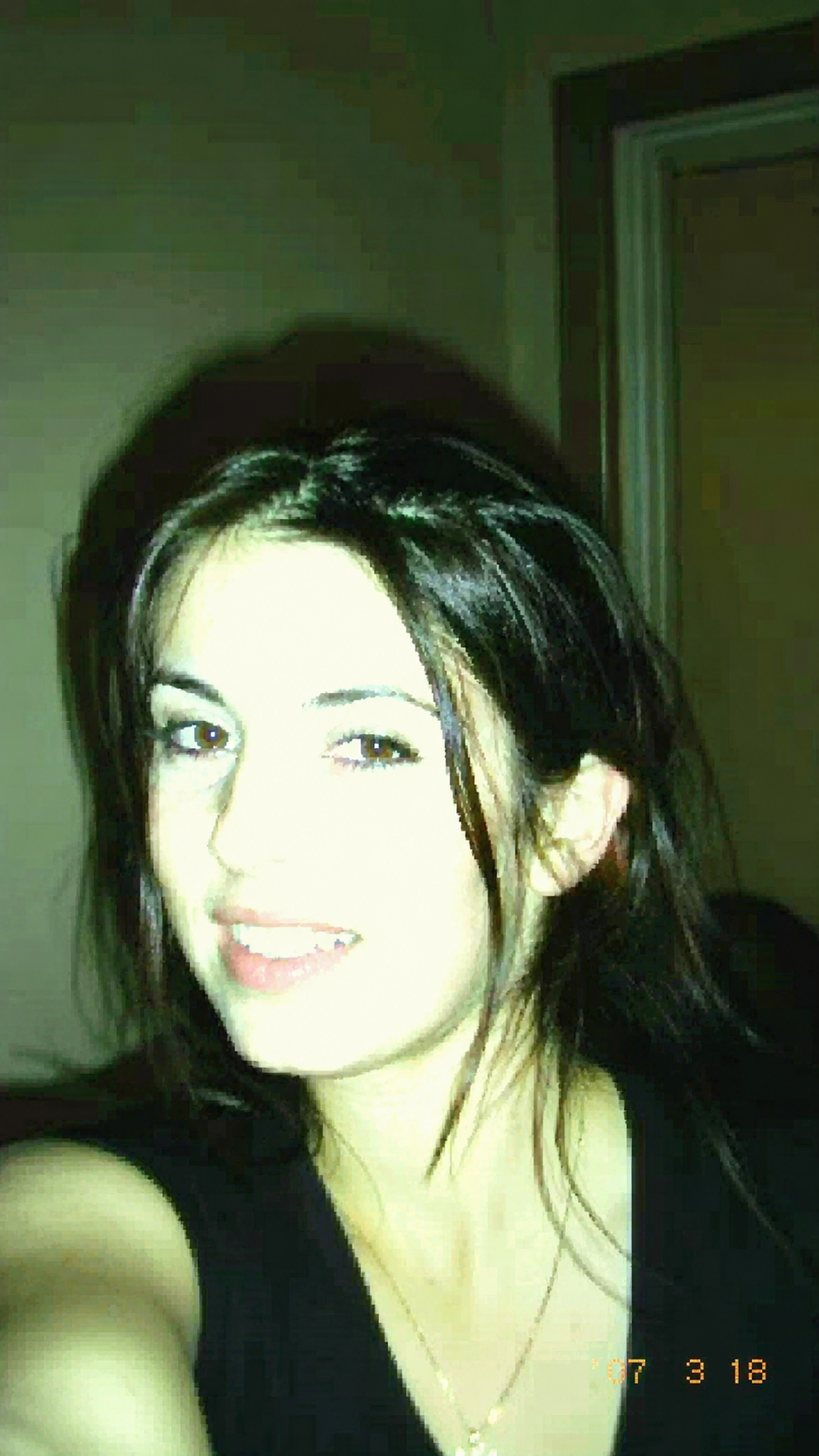
4. Y2K Flip-Phone Selfie Nostalgia
The early 2000s are back, but not in the curated way. One of the rawest AI photo editing trends of 2026 recreates the chaotic, unpolished energy of late-night flip-phone selfies — the ones from before front cameras got good, before anyone knew what a selfie was supposed to look like.
This viral AI photo trend leans hard into chunky 0.3-megapixel pixelation, the greenish LCD preview tint of early camera phones, and harsh front-facing flash overexposure that blows out skin tones. Add a slightly tilted close-up framing, subtle JPEG compression artifacts, and a faint timestamp overlay, and you've got a photo that could have been uploaded to MySpace in 2007 — which is exactly the kind of nostalgia these AI photo editing trends are built on.
Fashion creators, music accounts, and nostalgia-focused pages are using these AI photo editing trends to build entire visual identities around the flip-phone aesthetic. It's not about recreating a specific photo — it's about recreating a specific feeling: the one where you couldn't see the screen, had no idea how the shot turned out, and didn't care. This AI photo editing trend is proof that technical quality isn't the point — emotional texture is. These GPT Image 2 photo editing techniques make imperfect feel intentional.
Copy the AI Art Prompt:
Recreate this image as a late-night flip-phone selfie from 2007. Add harsh front-facing flash overexposure that blows out skin tones and casts deep background shadows, chunky 0.3-megapixel pixelation across the entire frame, the greenish LCD preview tint characteristic of early camera phones, and a slightly tilted, too-close framing as if someone just pointed and shot in a dark room. Include subtle JPEG compression artifacts, a faint orange date-time stamp overlay in the bottom-right corner, and the low-dynamic-range look of a sensor that could barely handle indoor lighting.
Why Fanch AI Is the Best Platform for These Photo Trends
All four of these AI photo editing trends share a common requirement: they need an image model that understands emotional direction alongside technical parameters. GPT Image 2 on Fanch AI excels at this — interpreting words like "accidental," "nostalgic," and "intimate" and translating them into visual choices that feel intentional, not random.
Unlike single-purpose editing apps that lock you into one preset aesthetic, Fanch AI gives you access to multiple AI image generators in one workflow. Want to try the CCD film look on GPT Image 2, then switch to a different model for the designer toy avatar? It's all here without switching platforms or re-learning interfaces. These AI photo editing trends demand flexibility — and that's exactly what Fanch AI delivers.
The creators dominating social feeds this year aren't the ones chasing razor-sharp technical perfection. They're the ones using AI photo editing trends to share an intimate, flawed, and deeply imaginative perspective with the world. Fanch AI gives you the tools — and the model flexibility — to stay ahead of every AI photo editing trend before it peaks.