Google Courts Disney, Universal, WBD for AI IP Deals | Fanch AI
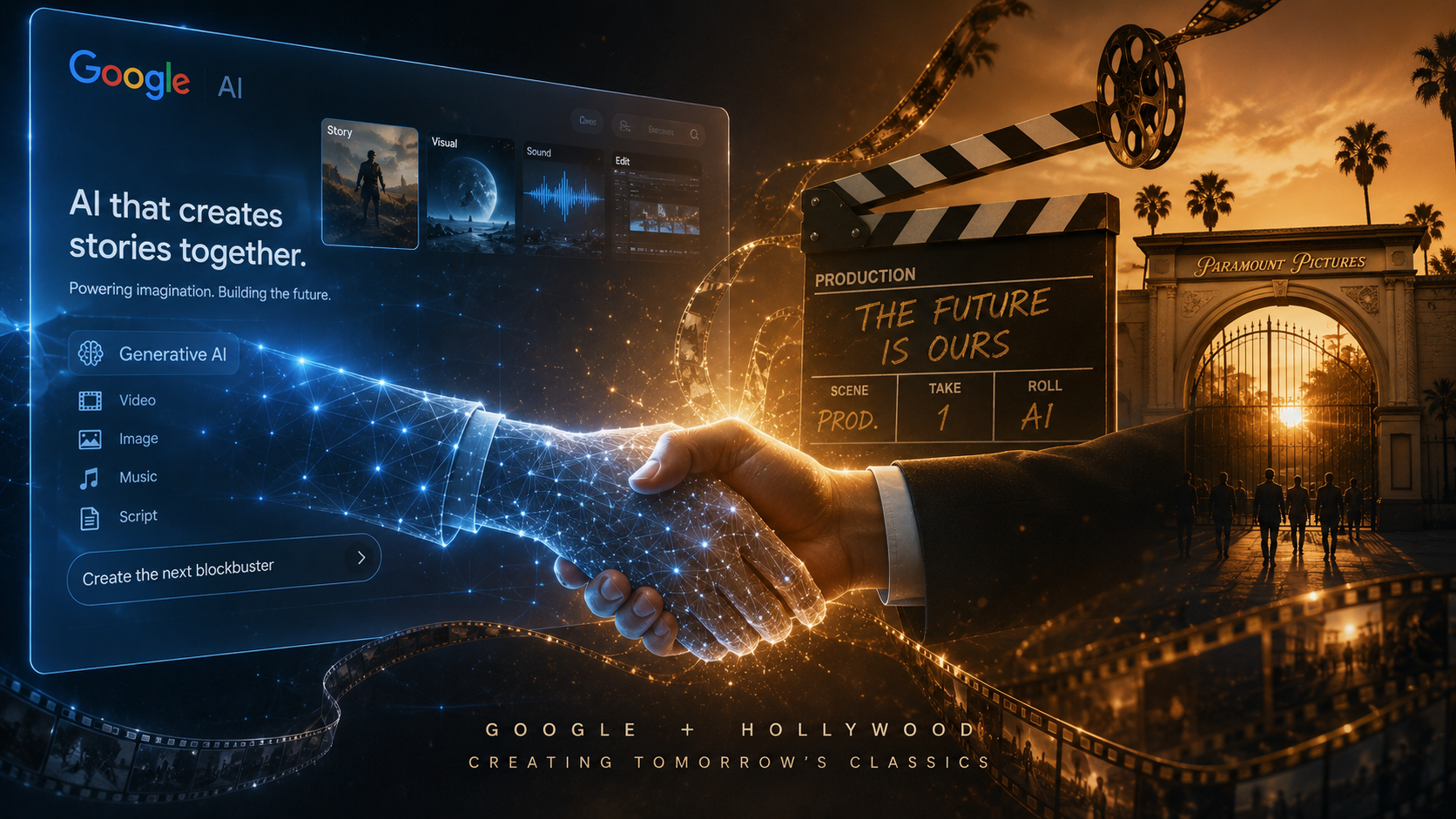
Google is quietly courting Hollywood. According to the Los Angeles Times, Google executives have approached representatives at Disney, Universal, Warner Bros. Discovery, and other studios about licensing intellectual property to be used in AI models — characters, film libraries, and content that would let Google's AI tools train on real studio material. No agreements have been reached, and the talks are preliminary, but the outreach marks a dramatic reversal: the company that fought Hollywood over YouTube piracy two decades ago is now trying to become its partner. Here's what the Google Hollywood AI courtship means, why studios are listening, and how it fits the AI video landscape we've been covering all month.
The talks come straight from the playbook ByteDance just executed with the MPA — and they confirm where the AI content industry is heading: not lawsuits, but licensing deals.
1. What Google Is Negotiating
The Google Hollywood AI outreach centers on two things: licensing studio characters and film libraries for use in AI models, and getting studios to adopt Google's AI tools in production. According to three people familiar with the conversations, Google executives have approached Disney, Universal, Warner Bros. Discovery, and others. A spokesperson for NBCUniversal said it is not in active IP-licensing conversations with Google — a reminder the talks are early and unconfirmed.
Why Google needs this: an insider involved in the discussions said it plainly — for AI tools to be "truly usable for large-scale film and TV productions," models must be fine-tuned with "highly dynamic content and metadata that only Hollywood studios have."
Why it's stalled: the deals are complex, and both sides are sensitive about talent and union reactions. Studios face pressure to cut costs and adopt AI while preventing unauthorized IP use — the same tension behind every AI copyright story we've covered.
2. From YouTube Pariah to Hollywood Suitor
The Google Hollywood AI courtship is a long way from Google's reputation in the industry a decade ago. During the YouTube era, Google clashed with studios over unauthorized clips; Viacom sued Google for $1 billion in 2007, and the case wasn't settled until 2014. Google was, by all accounts, a pariah in Hollywood.
Today the relationship is different. YouTube is a major force in TV, Content ID lets copyright holders earn revenue on clips, and Google sells cloud computing to studios. In June, Google invested $75 million in A24 as a strategic partnership on AI tools, alongside Darren Aronofsky's Primordial Soup. As media attorney Rob Rosenberg put it, Google is on a path of "image rehabilitation" — seeking "not just acceptance but appreciation" in Hollywood.
3. Why Studios Are Listening (and Hesitating)
The timing matters. OpenAI shut down Sora this year, killing Disney's OpenAI licensing deal for AI versions of Mickey Mouse. Studios have ongoing copyright suits against AI companies, and Disney sent Google a cease-and-desist last year over allegedly using its content for AI training.
Yet studios also see opportunity. Licensing characters to Google could create a new revenue stream, and Google could share advertising revenue from AI-generated content on YouTube. The A24 investment gives Google credibility; the talks give studios a chance to shape the terms instead of being shaped by them.
The lesson cuts both ways. As former News Corp. executive Jonathan Miller put it, Google "let it run completely wild until it was too big to fail and everybody had to make a deal with it at some point." Studios remember that — which is why they're negotiating now, while they still have leverage.
4. What It Means for AI Image and Video Creators
For anyone creating with AI tools, the Google Hollywood AI talks matter for three reasons:
Licensing is becoming the default path. After the MPA–ByteDance deal and now Google's outreach, AI companies will license IP rather than fight over it — fewer gray areas for creators.
The models in question are already mainstream. Google's AI generation stack — Nano Banana for images, Veo for video, Imagen for photorealism — is exactly what studios are evaluating. These are the same models available on Fanch AI.
Fine-tuned studio models are coming. If these deals close, expect AI tools trained on licensed, high-quality studio content — better cinematic output for everyone, with clear commercial rights.
5. Try the Google Models Hollywood Is Courting
While studios and Google negotiate, the AI video and image models at the center of the talks are already available on Fanch AI — including Veo 3.1, Nano Banana 2, and Imagen. Try these original cinematic prompts:
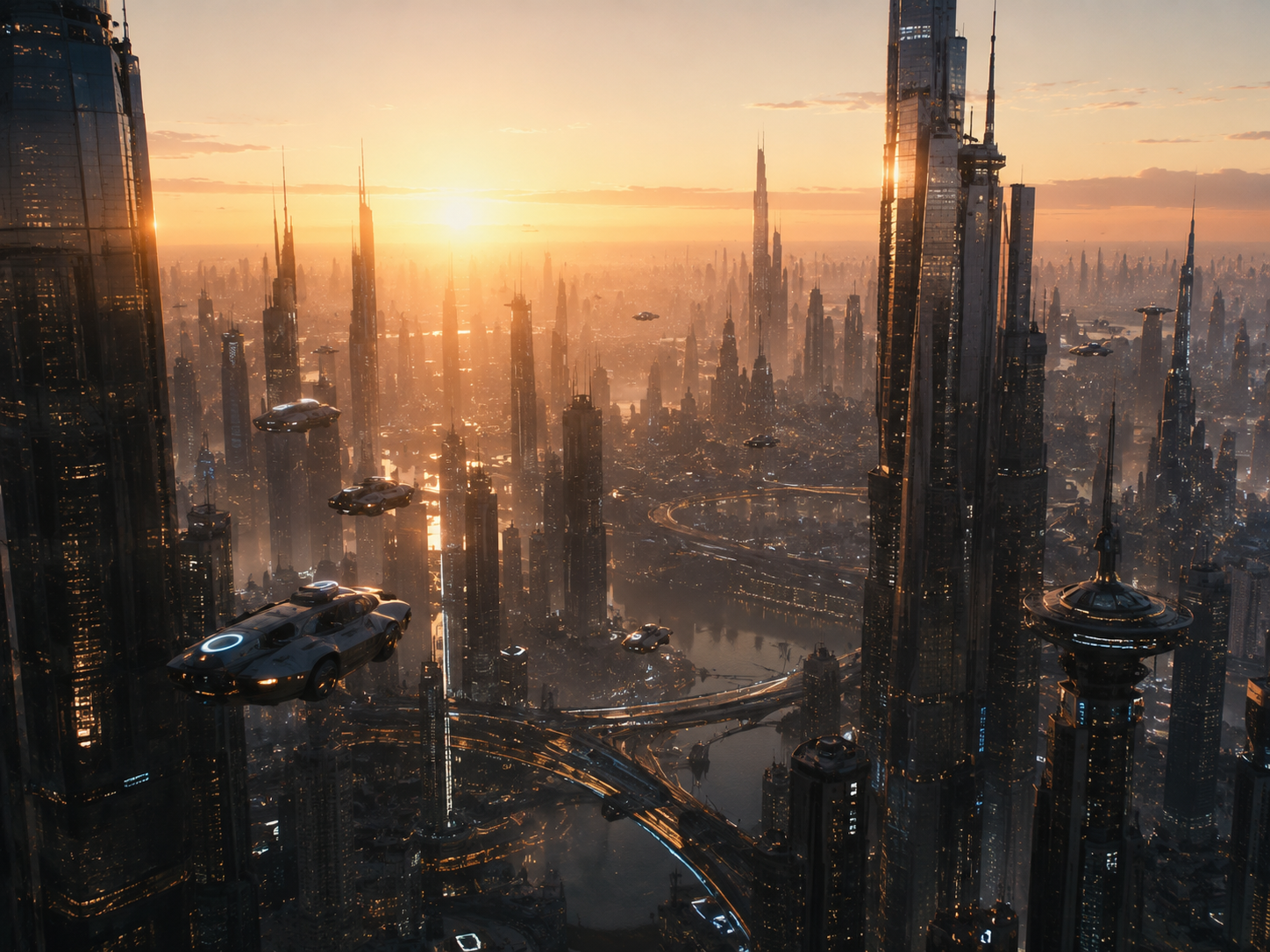
Prompt 1 — Studio-scale establishing shot:
Epic cinematic establishing shot of a vast futuristic metropolis at dawn, flying vehicles weaving between glass towers, volumetric golden light, camera slowly rising through the skyline, film-grade color grading, photorealistic, IMAX composition.
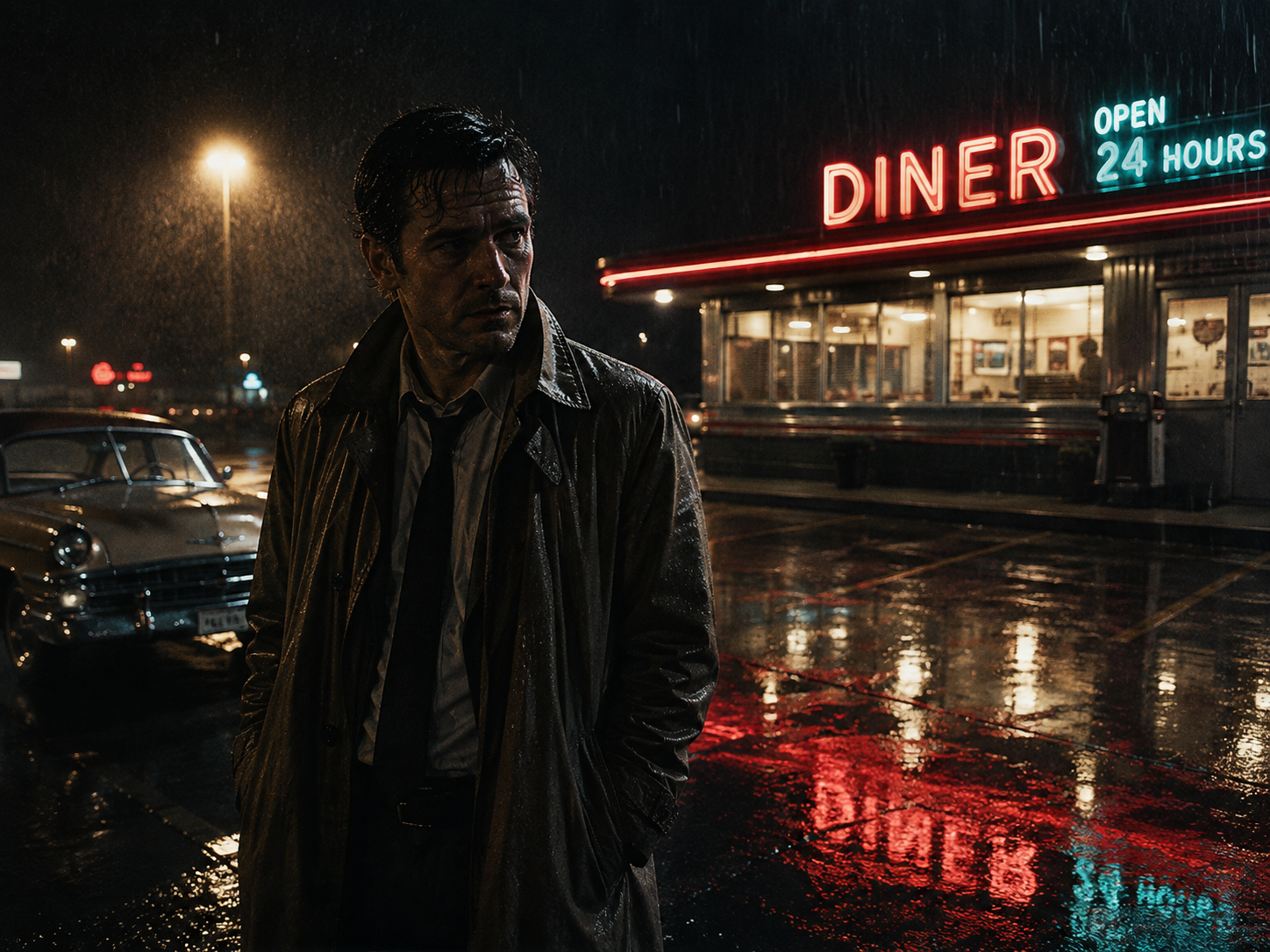
Prompt 2 — Character drama scene:
Cinematic medium shot of an original character — a weary detective in a trench coat — standing in a rain-soaked 1950s diner parking lot at night, neon sign reflecting in puddles, dramatic rim light, film noir color grade, 35mm grain, emotional performance, photorealistic.
Prompt 3 — Period epic wide shot:
Cinematic wide shot of a medieval harbor city at sunset, hundreds of ships at anchor, banners waving in the wind, a lone rider approaching the gates, warm golden light with deep shadows, epic scale, film-grade grading, photorealistic.
Prompt 4 — Product cinematic for brands:
Cinematic product film for a luxury sports car, low-angle tracking shot along the bodywork at golden hour, light sweeping across the paint, dust particles in the air, dramatic reflections, high-end commercial cinematography.
Prompt 5 — Nature epic with scale:
Epic aerial shot over a glacier calving into the ocean at dawn, ice chunks crashing into turquoise water, mist and spray catching the first light, immense scale, documentary film quality, cinematic color grade.
Every prompt produces original content — no licensed IP needed — and every one runs on Fanch AI today with the same Google models Hollywood is now courting. The Google Hollywood AI negotiations are about the future of licensed AI content; the tools to make original AI content are ready now.
6. Start Creating with Veo 3.1 on Fanch AI
The Google Hollywood AI talks show where the industry is heading: AI and studios becoming dependent on each other, with licensing as the bridge. While the deals develop, you can already create with the models at the center of the story. Veo 3.1 is ready on Fanch AI right now.
👉 Start here: Veo 3.1 on Fanch AI